Study Citation
Li A, Lee K, Vassiliou N, Petrakos P. Patient Experience with Virtual Reality-Based Visual Field Test.
Department of Ophthalmology, Weill Cornell Medicine and NewYork-Presbyterian Hospital, New York, NY. Presented at the American Geriatrics Society (AGS) Annual Meeting.
Click here to access the original poster.
Expanding Access to Visual Field Testing
Visual field testing is essential for monitoring glaucoma progression, yet access to traditional testing methods can limit how frequently patients receive this important assessment. In a study conducted by researchers at Weill Cornell Medicine and NewYork-Presbyterian Hospital, investigators explored patient experience with a virtual reality, based visual field (VVF) test and whether this emerging technology could expand access to glaucoma monitoring.
Visual field tests are critical for diagnosing and monitoring glaucoma progression. However, traditional testing methods such as the Humphrey Visual Field (HVF) test require specialized equipment and trained technicians, which can limit patient access.
Virtual visual field (VVF) testing uses a virtual reality headset to perform the same type of functional vision assessment. This technology may allow testing outside of traditional clinical settings, potentially improving access to care for patients who have difficulty traveling to specialized ophthalmology clinics.
“Virtual visual field testing may help transfer part of glaucoma monitoring from the clinic to the patient’s home.”
Study Overview
Researchers evaluated the patient experience using a virtual reality visual field testing system.
Study Population
- 48 glaucoma patients receiving follow-up care
- All participants had previously completed at least one reliable traditional HVF test
Testing Method
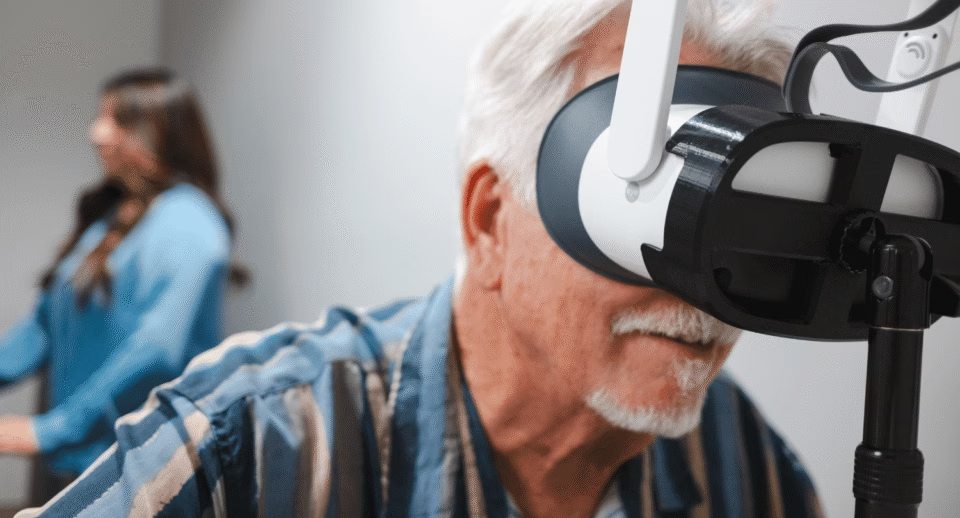
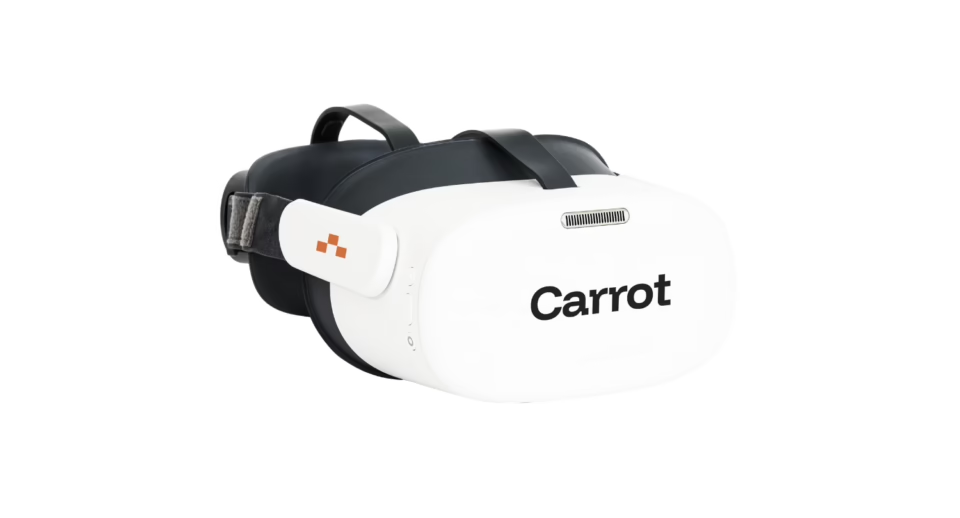
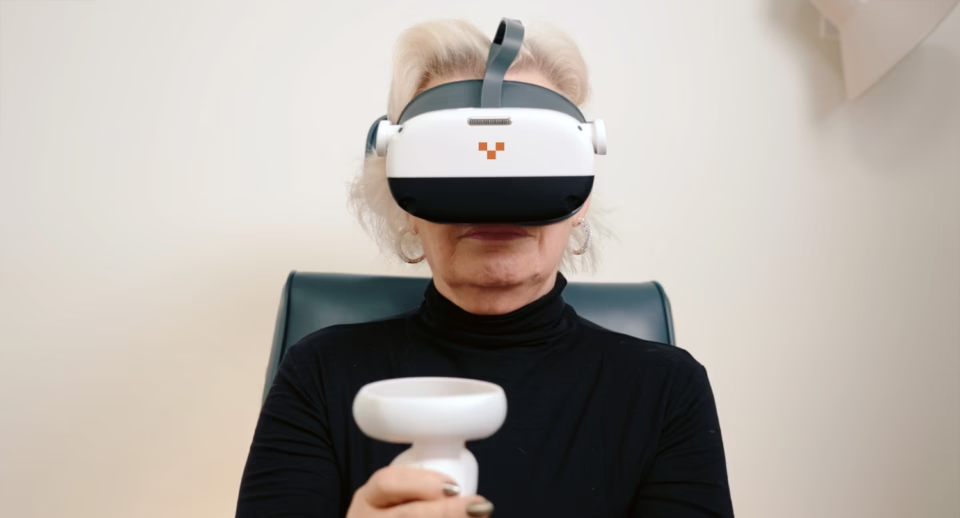
Participants used a virtual reality headset running the Virtual Field visual field testing application (now Carrot) to complete the assessment. After the test, patients completed an anonymous survey evaluating clarity, focus, comfort, and ease of use.
The group had an average age of 63.8 years, with nearly equal gender representation and prior experience with traditional visual field testing.
Patient Experience and Results
Overall feedback from participants was strongly positive.
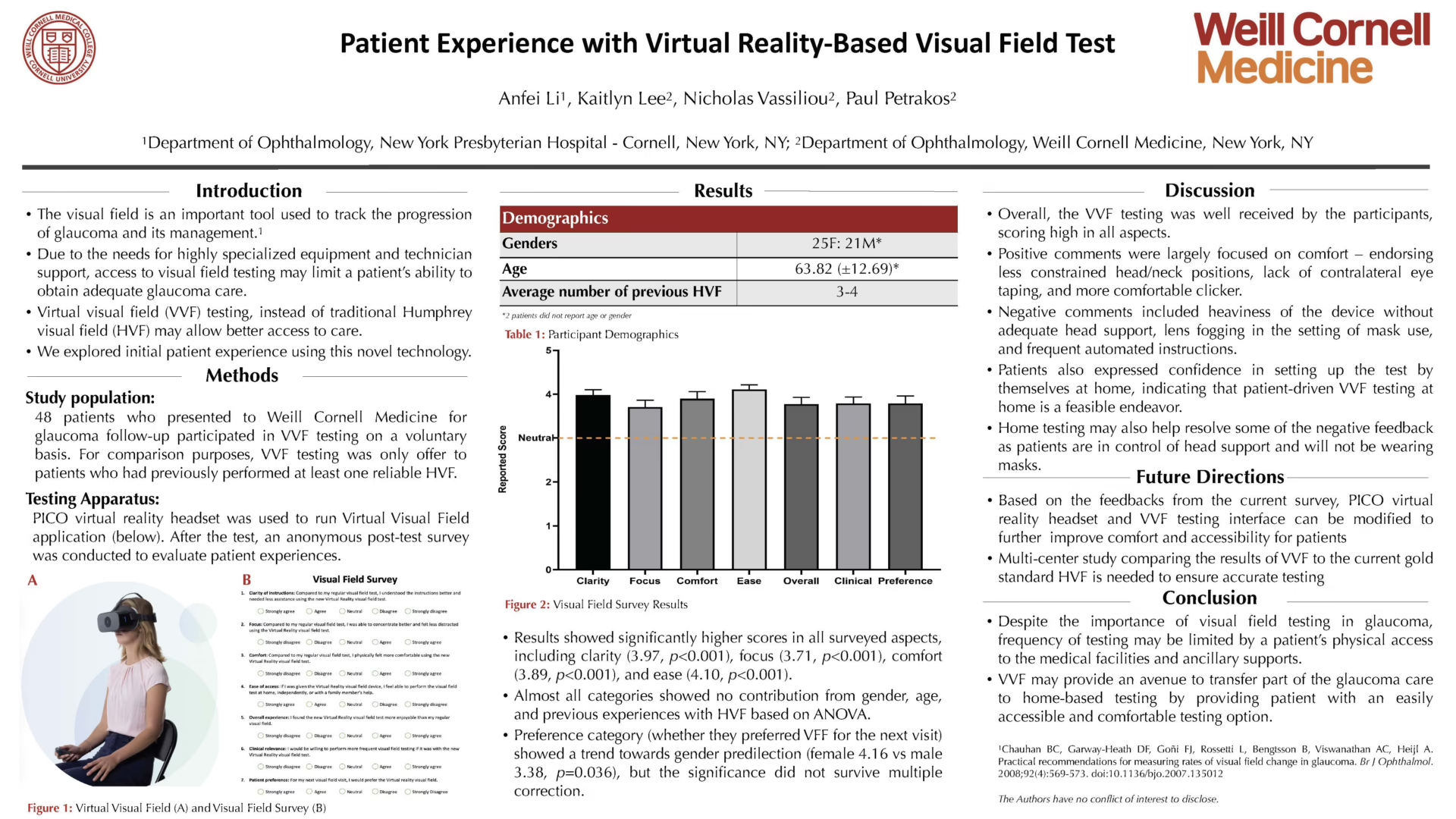
Survey results demonstrated significantly higher scores across all evaluated categories, including:
- Clarity: 3.97
- Focus: 3.71
- Comfort: 3.89
- Ease of use: 4.10
These scores suggest patients found the VR-based system both comfortable and intuitive to use. Importantly, the results were not significantly affected by patient age, gender, or prior testing experience, indicating broad usability across patient populations.
Positive feedback frequently mentioned:
- More natural head and neck positioning
- No need to tape the opposite eye
- A more comfortable input device
However, some users reported challenges, including the weight of the headset, fogging of lenses when wearing masks, and repetitive automated instructions.
“Patients frequently highlighted improved comfort compared to traditional visual field testing.”
The Potential for At-Home Glaucoma Monitoring
One of the most promising findings from the study was patients’ confidence in their ability to perform the test independently.
Many participants indicated they would feel comfortable setting up and completing the VR test at home, suggesting the technology could enable remote glaucoma monitoring. Home testing may also alleviate some of the concerns reported during in-clinic testing, such as mask-related lens fogging and the need for fixed head positioning.
Future Directions
Researchers note that improvements to the headset design and testing interface could further enhance comfort and accessibility.
Future research will also focus on larger, multi-center studies comparing virtual visual field testing directly with the current gold-standard HVF test to ensure diagnostic accuracy and clinical reliability.