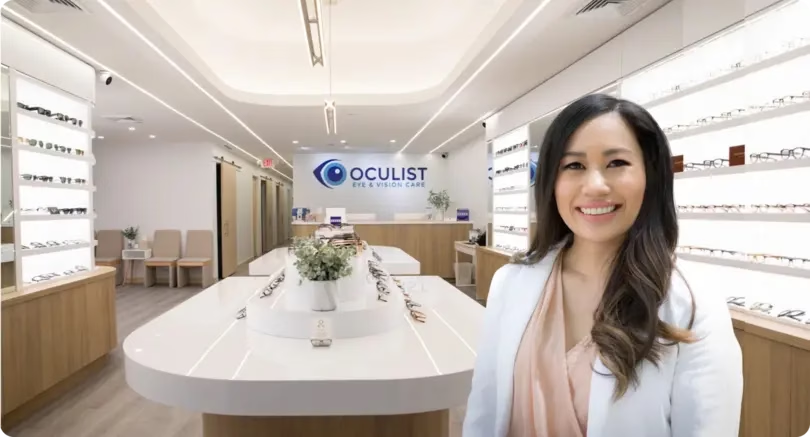
Starting a cold start eye care practice is both an exciting and demanding venture for any eye care professional. The journey is filled with challenges, such as securing funding, navigating regulatory requirements, and establishing a patient base from scratch. However, these obstacles are offset by unique opportunities to shape the practice according to your vision, build strong community ties, and provide personalized care that meets your patients’ specific needs. As you embark on this path, it’s essential to be prepared for the complexities of starting anew while also being open to the rewards of building a successful practice from the ground up.
In this article, we will provide you with valuable tips and strategies for successfully launching a cold start eye care practice.
General Tips for Starting a Cold Start Eye Care Practice
Starting a cold start eye care practice requires careful planning and strategic decision-making. Below are essential tips to consider when embarking on this journey.
Market Research
Begin by conducting thorough market research to understand the local demographics and existing competition. Identifying your target patient groups is crucial for providing exceptional care. For example, eye care in a densely populated area like New York City will look a little different than eye care for patients in rural Texas. Consider the specific needs of your target demographic, such as pediatric care, geriatric services, or specialized treatments. This information will guide your service offerings and marketing strategies.
Business Plan Development
A well-structured business plan is vital for success. Your plan should include detailed financial projections, marketing strategies, and operational plans. Outline your goals and how you intend to achieve them. This document will not only guide your practice’s growth but also be essential when seeking financing.
Securing Financing
Speaking of financing, funding your new practice is one of the most critical steps. Explore various financing options, including loans, grants, and potential investors. The most common way for someone to secure funding for a cold start eye care practice is through traditional bank loans. These loans typically provide the necessary capital to purchase equipment, lease or buy office space, hire staff, and cover initial operating expenses. Optometrists and ophthalmologists often rely on Small Business Administration (SBA) loans, which offer favorable terms and lower interest rates for healthcare professionals starting their own practices.
In addition to bank loans, some practitioners may use personal savings, seek out private investors, or apply for business grants specifically designed for healthcare startups. In some cases, equipment financing or leasing options are used to reduce the initial financial burden. Regardless of which funding route you choose, ensure your budget covers the cost of equipment, staff salaries, marketing efforts, and initial operating expenses. It’s important to have a financial cushion to navigate the early stages of your practice.
Legal and Regulatory Considerations
Navigating the legal landscape is key to avoiding future complications. Obtain all necessary business licenses, professional licenses, and zoning permits before opening your practice. Additionally, ensure compliance with healthcare regulations and insurance requirements to protect your practice from legal issues.
Some key compliance considerations include:
- Ensure HIPAA compliance for patient data.
- Enroll as a Medicare/Medicaid provider.
- Adhere to OSHA safety standards.
- Secure professional liability, general liability, and workers’ compensation insurance.
- Comply with employment laws by establishing clear employee contracts and policies.
- Ensure proper credentialing for all healthcare providers.
Addressing these factors will help your practice operate legally and smoothly, minimizing risks and protecting both your business and patients.
Choosing the Right Technology
Investing in up-to-date equipment and software is essential for delivering high-quality care. However, it is equally important to stay within your budget. Consider budget-friendly options that offer the functionality you need without compromising on quality. For example, you might opt for a Carrot virtual perimeter device for visual field testing, as opposed to a traditional tabletop perimeter, to save on money and office space without compromising quality.
Starting a Practice in Dense Cities
Starting a cold-start eye care practice in a densely populated city can be challenging but rewarding. Here are several key factors to consider to ensure success:
- Location and Space: Choosing the right location is crucial. Opt for a high-traffic area with good visibility to attract walk-ins and ensure your practice is easily accessible. Proximity to public transportation can significantly increase patient convenience, especially in cities where many residents rely on buses or trains. Given the premium on real estate, selecting a space that maximizes functionality while minimizing square footage costs is essential.
- Marketing and Branding: In a crowded market, effective marketing and branding are paramount. Leverage digital marketing strategies such as search engine optimization (SEO), social media engagement, and targeted online advertisements to reach potential patients. Participating in community events and forming partnerships with local businesses can also help establish your practice’s presence and build trust among potential clients.
- Competition: Differentiation is key in a competitive urban environment. Offering unique services or specializing in a particular area of eye care can set your practice apart. Prioritizing an exceptional patient experience, from the moment they enter your practice to post-appointment follow-ups, will encourage positive reviews and word-of-mouth referrals, both of which are vital in a dense market.
- Networking: Building a strong network is essential for growth. Establish relationships with other healthcare providers, local organizations, and professional associations like the Prioritizing an exceptional patient experience (AOA) or the American Academy of Ophthalmology (AAO). Regularly attending industry events will keep you informed about the latest trends and allow you to connect with potential referral sources.
- Technology Choices: Given the space constraints typical of city practices, invest in space-saving technology that doesn’t compromise on patient care. Implementing virtual reality (VR) visual field testing can be a game-changer, offering cutting-edge, comprehensive diagnostics in a compact form. This technology not only enhances patient care but also positions your practice as a leader in adopting innovative solutions.
Following these five steps can help you launch your new eye care practice off the ground.
Starting a Practice in Rural Areas
Starting a cold start eye care practice in rural areas presents unique opportunities and challenges. Here are several key factors to consider to ensure success:
- Community Engagement: Community engagement is a key element to building trust and establishing a presence in a rural area. Actively participating in local events, offering educational workshops, and providing free initial screenings can foster goodwill and introduce residents to your services.
- Marketing Strategies: Effective strategies are essential for attracting and retaining patients in rural settings. Utilize local advertising channels such as newspapers, radio, and community boards. Word-of-mouth referrals are particularly powerful in close-knit communities, so delivering exceptional service can help you build a strong reputation.
- Service Range: Offering a broad range of accessible services ensures that your practice meets the diverse needs of the community. To address limited access to specialized care, consider offering mobile services or partnering with local clinics. Implementing telehealth can also extend your reach and provide continuity of care, especially in areas with limited transportation options.
- Technology Choices: When selecting technology, prioritize portable, user-friendly equipment that can function efficiently in remote locations. Consider incorporating multiple units, such as VR visual field testing, to meet demand without compromising diagnostic quality. By combining advanced technology with a patient-centered approach, your rural eye care practice can thrive and make a meaningful impact on the community.
Following these four steps can help you successfully start your new eye care practice in a rural community.
Starting a Practice in Suburban Areas
Starting an eye care practice in a suburban area requires careful planning and strategic decisions to meet the community’s unique needs while ensuring long-term success. Here are several key factors to consider to ensure success:
- Location and Office Design: When starting an eye care practice in a suburban area, selecting the right location is crucial. Aim for a family-friendly neighborhood with easy access and ample parking to accommodate busy families. The office design should be inviting and comfortable, creating a welcoming atmosphere for patients of all ages.
- Target Demographics: In suburban areas, target demographics often include families and working professionals. Consider offering services that cater to family eye care and pediatric needs. Extended office hours are beneficial for accommodating patients who work during the day, making it easier for them to schedule appointments without disrupting their routines.
- Community Involvement: Active community involvement is essential for building a strong patient base. Participate in local events such as school fairs, health expos, and community clubs to establish your practice as a trusted resource. Implementing loyalty programs and family discounts can further enhance patient retention and satisfaction.
- Marketing Mix: A well-rounded marketing mix that combines digital and traditional strategies is vital. Engage with local online groups and forums to promote your services, and consider direct mail campaigns or local newspaper ads to reach a broader audience.
- Technology Choices: Invest in versatile technology that can serve a diverse patient population. Virtual reality visual field testing, for example, offers a quick and convenient solution that aligns well with the fast-paced suburban lifestyle.
Following these five steps can help you successfully start your new suburban eye care practice.
Conclusion
Starting a cold start eye care practice is a challenging but rewarding endeavor, requiring a solid foundation built on thorough market research, a well-crafted business plan, and a strategic approach to financing and technology. By carefully navigating legal and regulatory requirements and tailoring your practice to the unique demands of your chosen location, whether urban, rural, or suburban, you can position your practice for long-term success. As you embark on this journey, approach each step with confidence and determination, knowing that your commitment will pay off with a thriving practice.