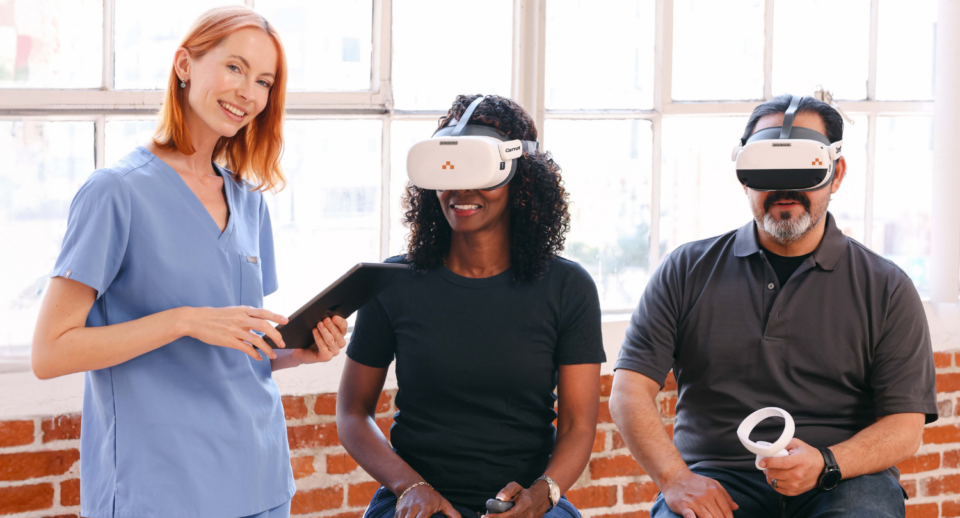
Did you know that visual field exams can help detect over 400 eye diseases and disorders? Despite their importance, only 28% of optometrists bill for these tests. Why? Many face challenges like bulky and outdated equipment, high costs to upgrade, workflow inefficiencies, and concerns about patient comfort. Additionally, some practitioners are unfamiliar or uncomfortable with how to utilize visual field testing outside of glaucoma, thereby not recognizing the test’s full potential. This guide explores how visual field exams extend beyond glaucoma, uncovering their broader applications and valuable benefits for patients and practices.
The Power of Visual Field Testing
A visual field test measures the horizontal and vertical range of what a person can see, detecting blind spots or peripheral vision issues. It is vital in eye care for diagnosing and monitoring conditions like glaucoma, neurological disorders (e.g., brain tumors, stroke-related vision loss), retinal diseases (e.g., retinitis pigmentosa, complications from high-risk medications), and systemic conditions with ocular implications (e.g., diabetes, hypertension).
How is it possible that visual fields can detect over 400 eye diseases and disorders? Each of these conditions affect the eye, optic nerve, and/or brain’s visual pathway and therefore present with specific patterns or defects in the visual field. Because this detection is so important for providers and patients alike, our mission at Carrot is to make visual field exams as standard and accessible in eye care as blood pressure testing is in a primary care office.
1. Testing for Neurological Disorders with Carrot
Carrot can play a key role in early detection, monitoring, and management of neurological conditions that affect the visual pathways, such as:
- Stroke: Detect and monitor hemianopsia (loss of half of the visual field) or quadrantanopsia (loss of a quadrant of the visual field) after cerebrovascular accidents.
- Brain Tumors: Identify visual field deficits caused by compression or damage to the optic nerves or pathways due to intracranial tumors (example: tumor of the pituitary gland).
- Multiple Sclerosis (MS): Monitor for optic neuritis and associated scotomas (blind spots) as part of MS progression.
- Traumatic Brain Injuries (TBI): Assess visual field impairments in patients recovering from concussions or head trauma.
Why Carrot? Carrot tracks subtle changes over time with easy-to-use interfaces and portability for in-home or bedside use.
2. Testing for Retinal Diseases/Conditions with Carrot
Visual field testing with Carrot is a valuable tool for retinal conditions that impact central or peripheral vision, such as:
- Diabetic Retinopathy: Identify early signs of visual field or sensitivity loss due to inner neuroretinopathy, even before microvascular signs are present on exam.
- High-Risk Medications: Detect vision loss or changes secondary to complications of high-risk medication use, such as hydroxychloroquine (Plaquenil).
- Retinitis Pigmentosa (RP): Map peripheral vision loss (tunnel vision) as the disease advances.
- Retinal Detachment (RD): Discover scotomas secondary to retinal detachments
| Condition | Carrot Tests Available |
| Diabetic Retinopathy | 24-2, 30-2, Full Field 120 |
| High-Risk Meds | 10-2, 24-2c |
| RP | 30-2, Full Field 120, Kinetic (Goldmann) |
| RD | 24-2, 24-2c, 30-2 |
Why Carrot? Carrot’s adaptive testing can provide tailored evaluations for different retinal conditions. Its portable systems also improve access for patients in rural or underserved areas.
3. Testing for Optic Nerve Disorders beyond Glaucoma with Carrot
Conditions that impact the optic nerve can lead to significant visual field deficits that require detailed and frequent monitoring, such as:
- Optic Neuritis: Detect scotomas associated with inflammation of the optic nerve.
- Ischemic Optic Neuropathy: Identify defects caused by reduced blood flow to the optic nerve.
- Hereditary Optic Neuropathies: Track progression of vision loss in conditions like Leber’s hereditary optic neuropathy.
| Condition | Carrot Tests Available |
| Optic Neuritis | 24-2, 10-2, 30-2, 24-2c, Full Field 120, Kinetic (Goldmann) |
| Ischemic Optic Neuropathy | 24-2, 10-2, 30-2, Full Field 120, Kinetic (Goldmann) |
| Hereditary Optic Neuropathies | 24-2, 10-2, 30-2, Kinetic (Goldmann) |
Why Carrot? Carrot is ideal for testing optic nerve health. It offers easy-to-use testing capabilities for tracking sudden or gradual changes in the optic nerve’s function and enables remote monitoring through seamless integration with telemedicine platforms.
4. Testing for Neurological Complications of Systemic Diseases with Carrot
Systemic conditions that impact neurological function can lead to visual field impairments, such as:
- Idiopathic Intracranial Hypertension (IIH): Monitor for signs of peripheral field loss secondary to increased intracranial pressure.
- Thyroid Eye Disease: Identify visual field defects caused by optic nerve compression due to orbital inflammation.
- Migraine with Aura: Study transient visual field deficits that occur during migraines.
| Condition | Carrot Tests Available |
| IIH | 24-2, 30-2, Full Field 120 |
| Thyroid Eye Disease | 24-2, 10-2, Superior 36, Kinetic (Goldmann) |
| Migraine with Aura | 24-2, 10-2, 30-2, Esterman |
Why Carrot? Carrot’s user-friendly interface enables frequent, non-invasive monitoring, making it ideal for patients with chronic conditions. Its enhanced data visualization aids interdisciplinary collaboration with neurologists and endocrinologists.
5. Post-Surgical Monitoring with Carrot
Post-operative visual field testing can help track recovery and detect complications, such as:
- After Retinal Surgery: Assess improvements or complications in peripheral or central vision after procedures like vitrectomy or retinal detachment repair.
- After Optic Nerve Surgery: Monitor for changes in visual field after decompression or other optic nerve interventions.
| Condition | Carrot Tests Available |
| After Retinal Surgery | 24-2, 10-2, 30-2, Full Field 120 |
| After Optic Nerve Surgery | 24-2, 10-2, 30-2, Esterman, Full Field 120 |
Why Carrot? Carrot offers convenient testing for post-surgical patients with limited mobility. It provides accurate, reproducible measurements to track progress.
6. Testing for Systemic Metabolic Diseases with Carrot
Metabolic disorders affecting vision can benefit from visual field testing. These can include the following:
- Diabetes: Use visual field mapping to detect early diabetic neuroretinopathy or peripheral ischemia.
- Vitamin A Deficiency: Monitor peripheral vision loss caused by vitamin deficiency and document improvement with proper treatment.
- Chronic Kidney Disease (CKD): Detect secondary complications from hypertension or diabetes leading to visual field deficits.
| Condition | Carrot Tests Available |
| Diabetes | 24-2, 30-2, Full Field 120, Kinetic (Goldmann) |
| Vitamin A Deficiency | 24-2, 10-2, 30-2, Full Field 120 |
| CKD | 24-2, 30-2, Full Field 120 |
Why Carrot? Carrot is scalable for regular testing in chronic disease management programs. The data-driven insights help coordinate care with primary care physicians.
7. Conducting Psychiatric and Behavioral Studies with Carrot
Carrot testing can contribute to understanding visual processing in behavioral and psychiatric conditions, such as:
- Autism Spectrum Disorder (ASD): Study visual field sensitivity and potential deficits in peripheral awareness.
- Attention-Deficit/Hyperactivity Disorder (ADHD): Use visual testing to study the interaction of attention and peripheral vision.
| Condition | Carrot Tests Available |
| ASD | 24-2, 10-2, Esterman, Full Field 120, Kinetic (Goldmann) |
| ADHD | 24-2, 10-2, 30-2, N-30, C-40, Esterman |
Why Carrot? Carrot’s customizable testing protocols enable research in non-traditional use cases, and the virtual reality aspect of Carrot makes testing engaging for patients in these populations.
8. Driving and Occupational Vision Assessments with Carrot
Carrot testing can be used to assess functional vision for specific tasks, such as:
- Driver’s Licensing: Measure peripheral vision to ensure patients meet legal requirements for driving in their state.
- Occupational Screening: Test vision in individuals working in roles requiring high levels of peripheral or central vision, such as pilots, athletes, or machinery operators.
| Condition | Carrot Tests Available |
| Driver’s Licensing | Esterman |
| Occupational Screening | Esterman, 24-2, 30-2, Kinetic (Goldmann) |
Why Carrot? Its portability enables use in diverse environments, including workplaces and licensing offices. It also offers easy-to-read reports that provide clear results for regulatory purposes.
9. Expanding Accessibility with Virtual Visual Field Testing
In underserved areas or for patients with mobility challenges, Carrot can broaden access to visual field testing. For example, eye care providers can integrate Carrot into mobile healthcare units for rural communities. Since devices are lightweight and portable, the headset reduces barriers to care and creates more accessible visual field exams. Carrot also supports remote diagnostics through reports that can be accessed via the provider portal on any device, allowing for seamless integration with telemedicine.
A Step-by-Step Guide to Billing for Visual Field Exams
Billing for visual field exams requires a thorough understanding of CPT codes, insurance coverage policies, and proper documentation practices. This will ensure accurate and timely payment. Here are three steps to follow during the billing process.
1. Understand CPT codes.
It is essential to select the appropriate CPT code based on the test’s complexity, the number of eyes tested, and the specific procedure used. For instance, CPT code 92081 is appropriate for a basic visual field test of one eye, while 92083 applies to more complex tests involving both eyes.
The most common CPT codes used for visual field testing include:
- 92081 (visual field testing, one eye)
- 92082 (visual field testing, both eyes)
- 92083 (visual field testing, complex)
2. Be aware of Medicare and insurance coverage.
When billing Medicare and other insurance providers, it is important to be aware of coverage policies. Medicare typically covers visual field exams when they are medically necessary, such as for glaucoma management or assessing neurological conditions. Ensure that the documentation aligns with billing requirements by including detailed records of the patient’s symptoms and diagnosis, the doctor’s testing orders, test results, including interpretation and plan, and the rationale for the procedure.
3. Maximize reimbursement by avoiding common pitfalls.
To maximize reimbursement, be diligent about accurate billing practices. Double-check CPT codes, verify the patient’s insurance coverage, and ensure that all required documentation is submitted. Common unintentional errors to avoid include misreporting test complexity, not having the patient’s current insurance information on file, or using the wrong CPT or diagnosis code, all of which can lead to claim denials or underpayment.
Simplify Visual Field Testing and Create Positive Patient Experiences
Maximize your patient care and revenue simultaneously with Carrot. With a 30-day free trial, no contracts, and no upfront cost, Carrot is easy to try and risk-free. Join us in making visual field exams as accessible as blood pressure testing. Plans start at just $199 per month. Schedule a demo today to explore how Carrot can enhance your eye care practice.