Introduction
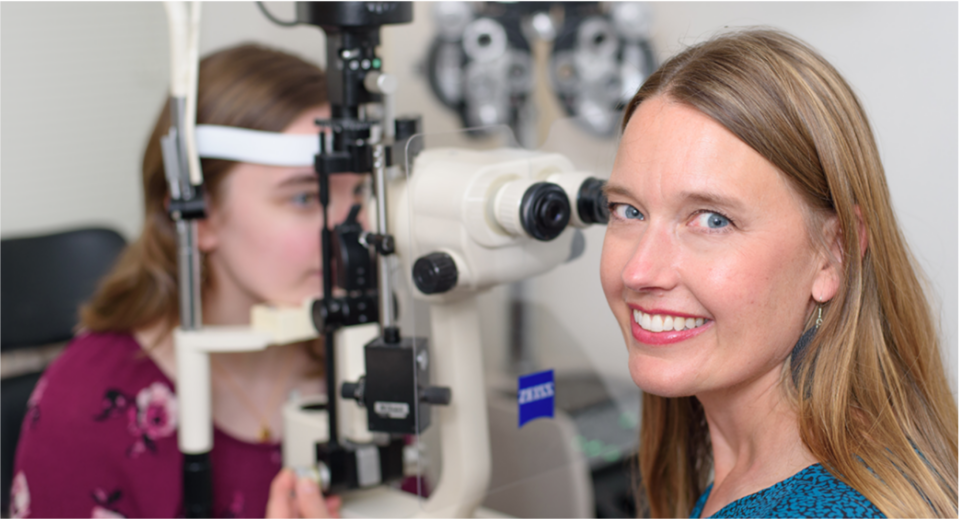
Dr. Rosa, a practicing optometrist for 7 years, operates a general optometry office offering a variety of services, with a particular focus on specialty contact lenses and dry eye treatment.
Challenges and Old Solutions
Dr. Rosa’s practice previously used an older model of a Humphrey Field Analyzer for visual field testing. While functional, it often required repairs, consumed a lot of space, and was cumbersome to get patients lined up and centered. With the space they saved from the Humphrey, they were able to put the Carrot headset and a small topographer on one table, which really helped maximize their pretesting office space.
Improvements with the Carrot Visual Diagnostics Platform
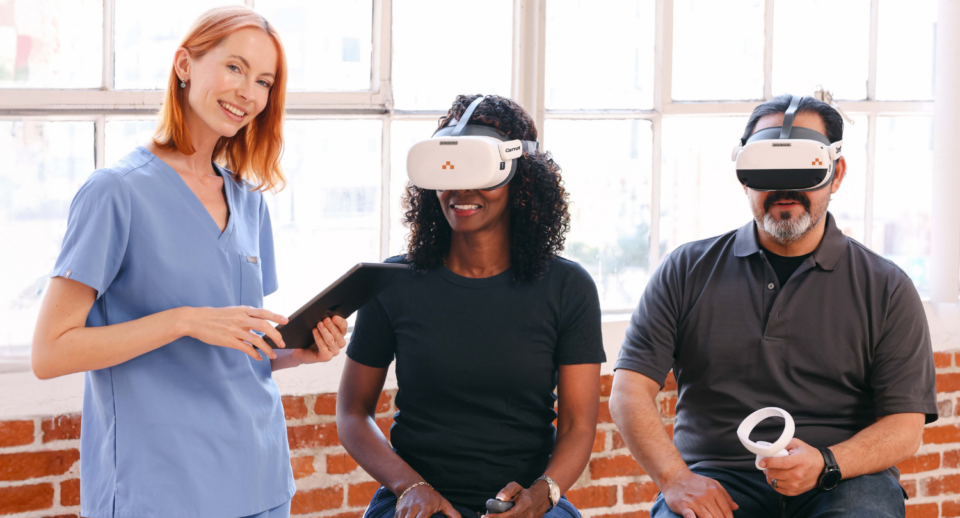
Transitioning to Carrot (formerly Virtual Field) has been a game-changer for Dr. Rosa’s practice. The new device is much smaller and fits conveniently on a shared table with another instrument, freeing up valuable space. The ease of use was apparent; the technician could place the patient in the headset, press go, and let the Carrot audio instructions (available in 41 languages) handle the rest, allowing her to multitask effectively. The streamlined patient alignment process and the machine’s high-tech feel have impressed both staff and patients.
Workflow Integration
Despite planning an onboarding call, Dr. Rosa’s team found Carrot so intuitive that they didn’t need additional training; they simply used the online resources to get started. Carrot fits seamlessly into the practice’s pretesting workflow. The technician runs multiple exams, including auto-refract, intraocular pressure measurements, and then the visual field test. She inputs the collected data into the system before proceeding to fundus photos and OCT screenings. The results are then uploaded as a PDF into the Eyefinity EMR system, allowing Dr. Rosa to review them all easily.
Results and Outcomes
Carrot’s advanced technology has not only impressed patients but also proven invaluable for identifying unexpected diagnoses. In a recent case, a patient came in for a routine eye exam, and the visual field screener detected potential signs of glaucoma. Subsequent examinations confirmed the diagnosis, highlighting the crucial role this technology plays in comprehensive eye care. Carrot has successfully identified several cases that might have otherwise gone unnoticed.