Introduction
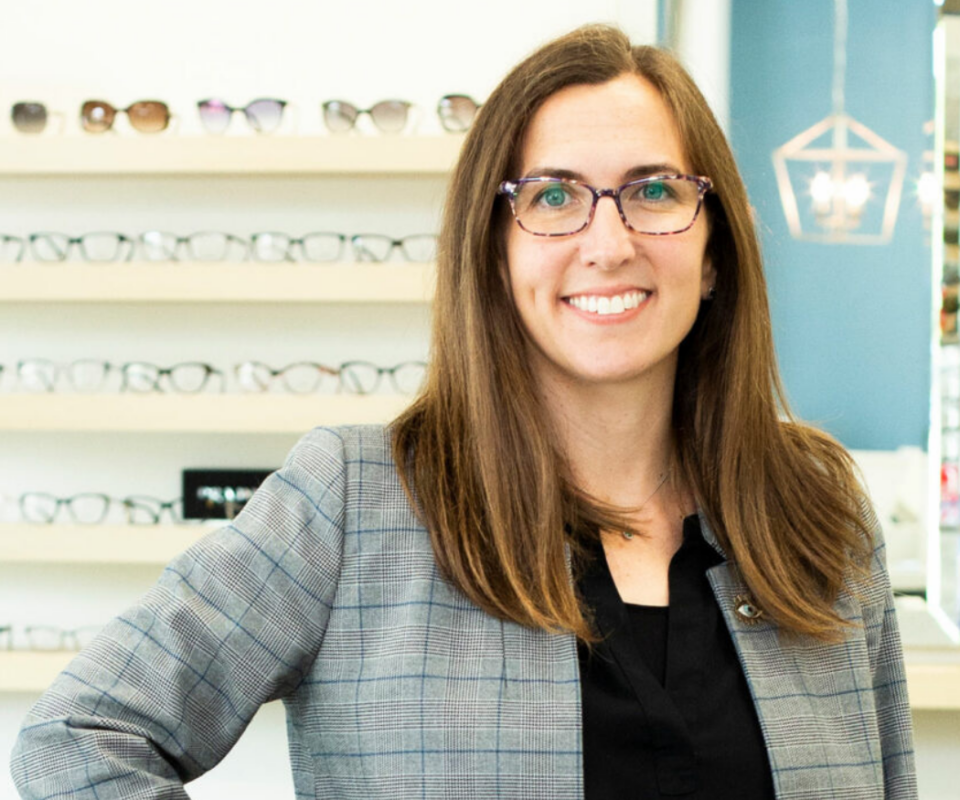
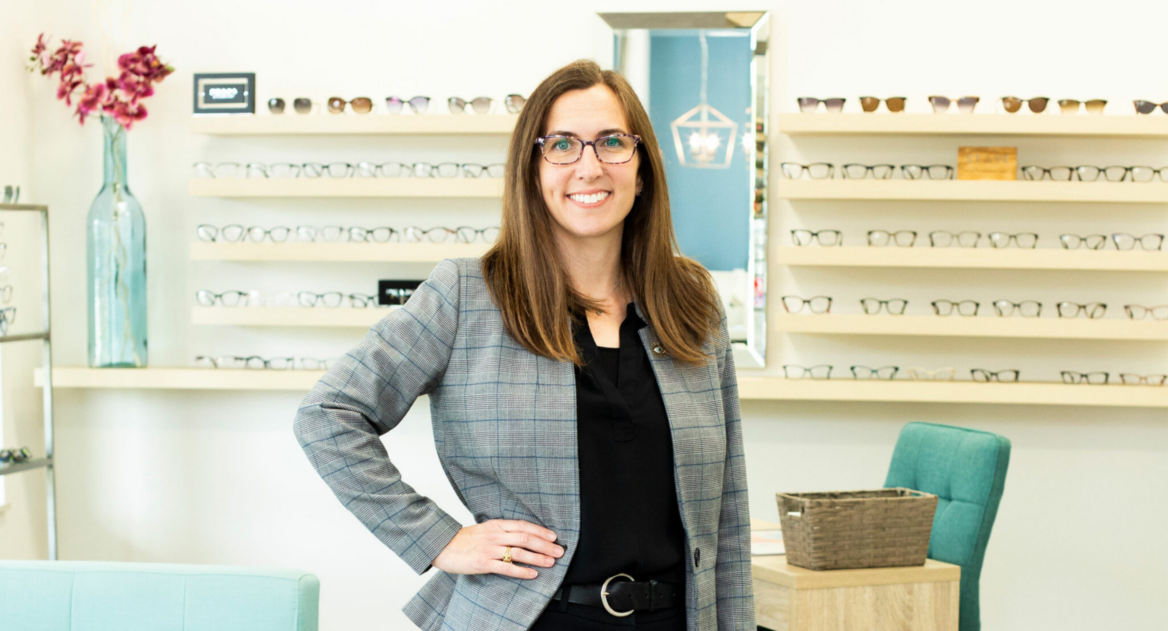
Dr. Copeland started her practice, Innovative Eye Care, from scratch 6.5 years ago in a suburban area, primarily serving a healthy patient demographic.
Implementation of Carrot
- Reasons for Choosing Carrot (formerly Virtual Field): Dr. Copeland was drawn to Carrot for its ease of use and the modern, high-tech appeal it offers to her practice and patients.
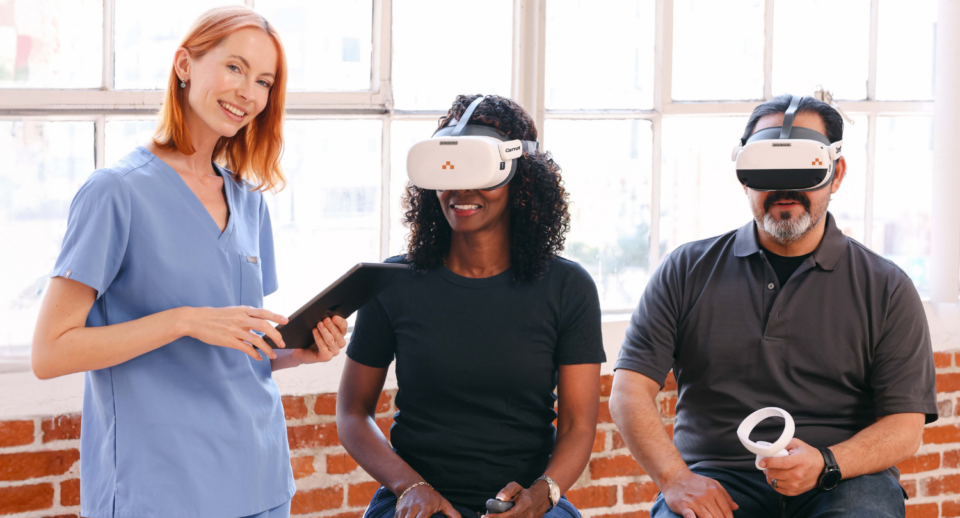
- Integration into Workflow: The Carrot headset is seamlessly incorporated into the practice’s pretest workup routine alongside auto-refractor tests and Optos pictures.
Impact on Patient Experience
- Patient Reception: Patients have reacted positively, often commenting on the technology’s “cool” factor. The headset’s audio instructions have proved particularly beneficial, catering effectively to the practice’s significant Spanish-speaking demographic.
- Accessibility: The technology is inclusive for patients with mobility issues, who can comfortably use the device in any room.
Clinical Benefits
- Disease Monitoring and Screening: Dr. Copeland primarily uses Carrot to screen all patients aged 16 and older, including monitoring conditions such as pituitary adenomas through easy-to-review progression analysis.
- Data Security and Management: Unlike previous experiences with traditional machines, Carrot’s cloud-based system prevents data loss, enhancing reliability in long-term disease monitoring.
Economic Impact
- Cost-Effectiveness: The return on investment with Carrot has been significant. Its lower cost compared to traditional machines, combined with routine screenings, has allowed the practice to quickly recoup expenses.
- Market Differentiation: Carrot’s advanced technology sets Dr. Copeland’s practice apart from others, giving it a competitive edge.
Training and Support
- Onboarding Experience: The required training was minimal, facilitated by an intuitive, quick-start guide. The onboarding and training resources provided were extremely helpful, ensuring a smooth integration without frequent troubleshooting.
Overall Satisfaction
- Feedback: Dr. Copeland describes Carrot as “easy to use,” “cutting edge,” and “efficient.”
- User Experience: No negative experiences have been reported; the technology seamlessly integrates into the practice’s operations, largely operating autonomously, which minimizes staff intervention.
Conclusion
Carrot has significantly enhanced the patient and provider experience in Dr. Copeland’s practice. It has improved clinical outcomes, streamlined operations, and distinguished the practice in competitive markets.