Introduction
Centerville Family Eyecare specializes in general family care, serving a diverse patient demographic from pediatric to elderly individuals, with a specific emphasis on managing glaucoma.
Challenges Before Implementation
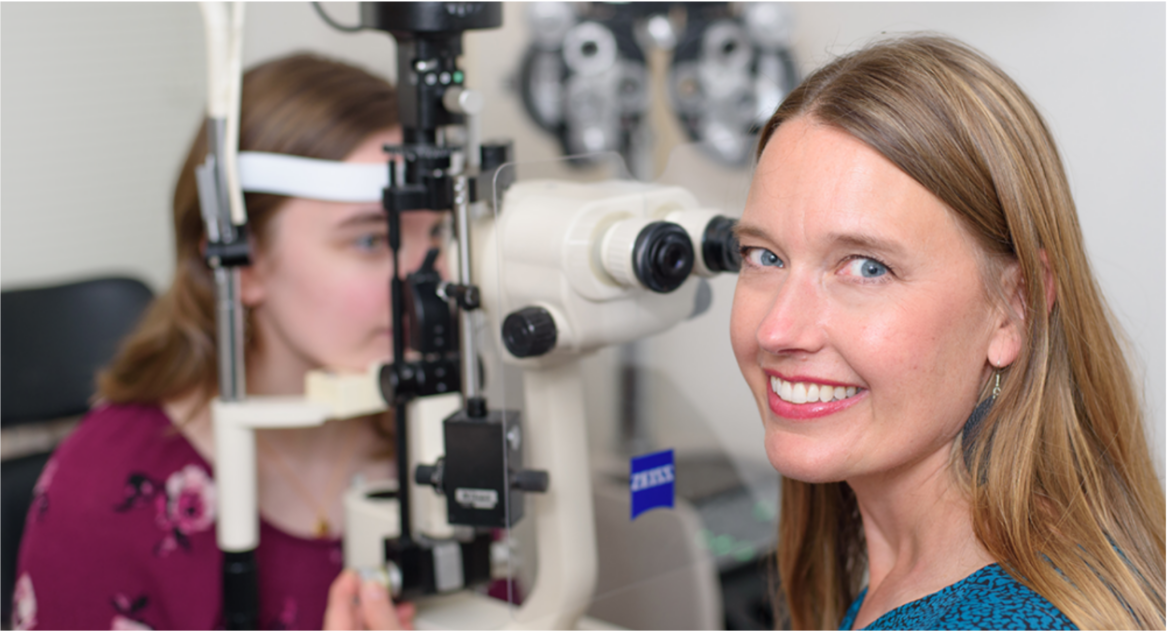
The practice encountered challenges with tabletop visual field equipment, particularly discomfort reported by older patients, leading to neck and back pain. Simultaneous work by multiple doctors resulted in congestion within the practice, leading to increased patient wait times. The practice sought a more efficient screening process, prompting the exploration of alternatives. There was also a desire to incorporate a second visual field device to enhance diagnostic capabilities.
Addressing Patient Comfort and Wait Times
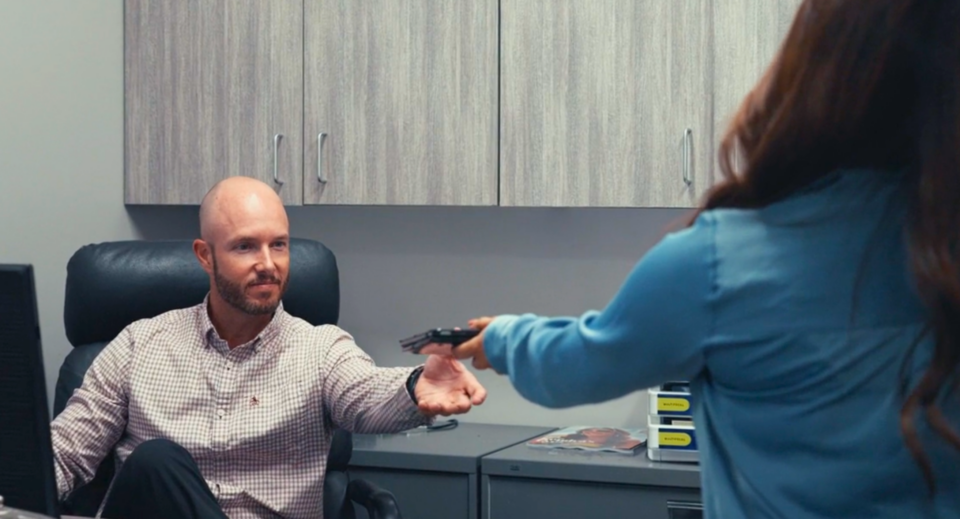
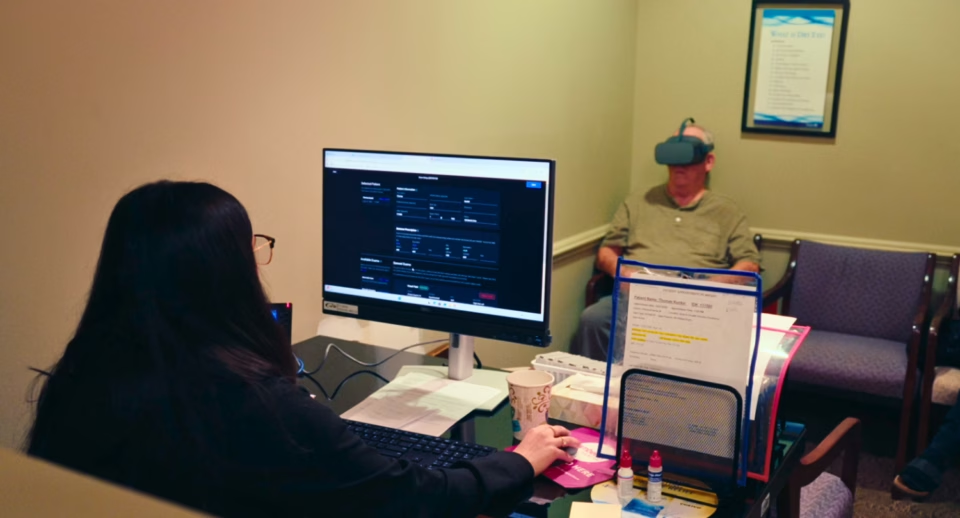
The introduction of Carrot (formerly Virtual Field) proved instrumental in alleviating patient discomfort associated with traditional visual field equipment. Its mobility allowed for in-room deployment, eliminating the need to relocate patients. Technicians praised the efficiency gains, particularly when dealing with contact lens wearers who could undergo both visual field and acuity testing in a single location, streamlining the workflow.
Positive Patient Reception and Experience
Patients provided positive feedback, highlighting the quicker, more visually clear experience offered by Carrot. Both adults and children expressed excitement, with younger patients initially associating the technology with a video game. The Carrot headset stand was generally well-received, especially by patients conscious of their appearance.
Results and Outcomes
Carrot garnered consistent patient preference over traditional methods. Daily feedback emphasized the enhanced experience and increased efficiency achieved through the adoption of the new technology.
Conclusion
The integration of Carrot into the optometry practice has successfully addressed pre-existing challenges, ushering in a new era of patient comfort and operational efficiency. Positive responses from both patients and practitioners underscore the transformative impact of Carrot on the practice experience. The consistent patient preference and the daily affirmation of improved efficiency validate the decision to embrace this technology. As the practice continues to evolve, Carrot stands as a cornerstone in elevating the standard of care and service deliver