Introduction
Dr. Seidman, a medical retina specialist, shares a compelling case study on how Carrot (formerly Virtual Field) transformed her ophthalmology practice. The journey begins with the discovery of Carrot and the clinic’s specific challenges. Exams used: 24-2 BOLT, 10-2 BOLT.
Discovery and Challenges:
I came across Carrot at the Virtual AAO meeting list of exhibitors and it immediately caught my interest. My office did not have a visual field at all, and I had been looking into options. As my office is very limited in space, I didn’t have room for a bulky machine. Carrot fits my needs perfectly. I also liked that I could pay monthly and not have to make a large up-front investment.
Addressing Challenges:
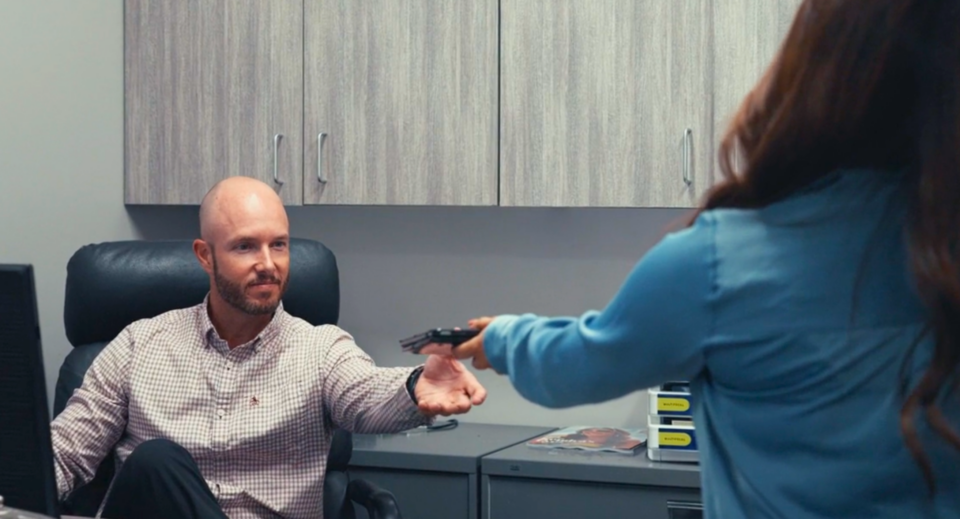
Carrot works perfectly in my small office, as I can perform the test in a small dilating room (former closet) I have set up, with a blackout curtain on the doorframe. I can also administer it in the examination lanes if needed (with lights and monitors turned off). It’s particularly useful for patients with limited mobility, as the test can be brought to them and they do not have to move around the office.
Achieving Outstanding Results
As a medical retina specialist who also practices comprehensive care, I use Carrot for many purposes. I am able to monitor glaucoma patients for progression, and I am also often consulted for hydroxychloroquine screening examinations. Carrot has excellent 24-2 and 10-2 protocols to meet these needs. I also occasionally use the Ptosis test, which has enabled me to obtain insurance prior authorizations for medically necessary blepharoplasties.
Subscription Model
I recommended Carrot to another ophthalmologist who operates across the hall from me at the same ASC, when he mentioned his table-top perimeter was malfunctioning and would cost a lot to repair. He raves about it every time I see him!”