A Comprehensive Guide to Central Sensitivity Visual Field Analysis
The foveal region of the macula is responsible for the sharpest central vision, and it’s here that conditions like diabetic retinopathy and macular degeneration first cause damage. You’ll need a highly sensitive, specialized test that provides detailed insights to slow disease progression in this part of the eye. The foveal threshold exam can help you intervene early and provide more targeted treatment for patients in need of care.
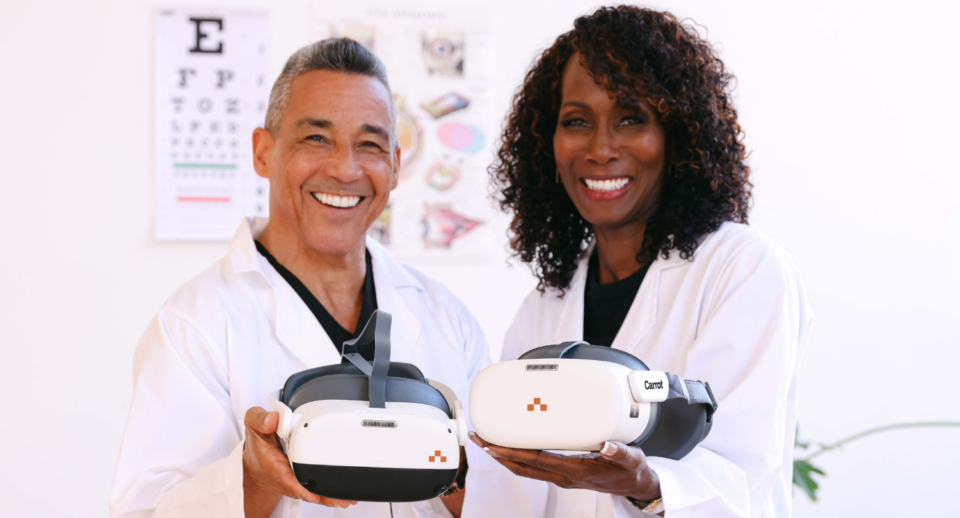
The foveal threshold test is a powerful, specialized exam used to evaluate the central sensitivity visual field within the foveal region of the retina. This region is often the first to show signs of conditions like macular degeneration or diabetic retinopathy. With a portable foveal threshold device like Carrot, clinicians can deliver faster, more accurate, and more comfortable testing experiences while capturing critical data for early intervention and precise treatment planning.
What Is the Foveal Threshold Test and Why Central Sensitivity Visual Field Matters
The portable foveal threshold test measures the sensitivity of the central visual field, specifically within the foveal area, and covers a radius of about 10-15 degrees. It helps detect early changes in visual function in the macula and surrounding retina, which is critical for tasks like reading and recognizing faces. These insights make the test especially useful for identifying conditions such as age-related macular degeneration (AMD), diabetic maculopathy or retinopathy, and other retinal conditions. With this level of sensitivity, you can differentiate between different types of visual field defects, like paracentral or ring scotomas versus central scotomas.
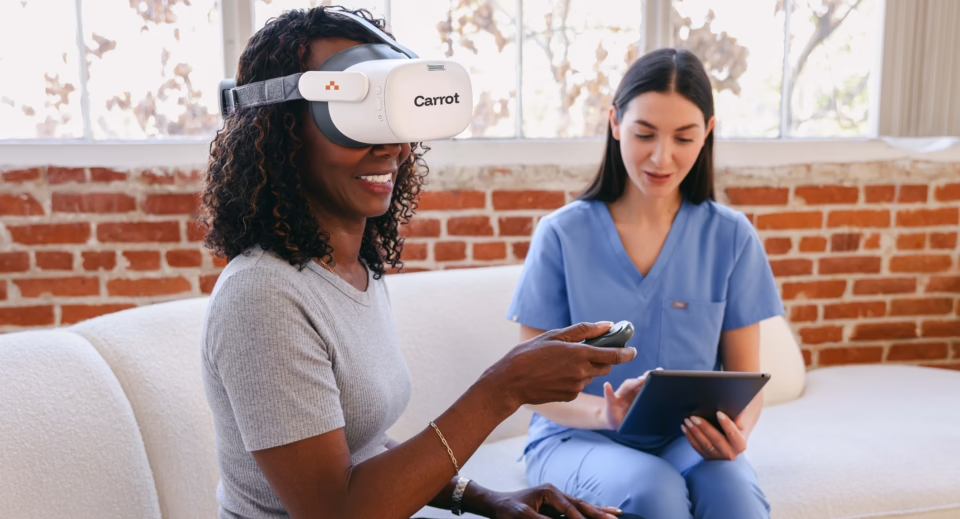
The Carrot Visual Diagnostics Platform is key for evaluating central visual field defects using a macular visual field device. It streamlines the exam with real-time analysis, immediate reporting, condition monitoring, and a patient-friendly physical form factor. These features help mitigate patient fatigue and improve accessibility, which is especially important for older patients or those with disabilities.
Academic references and clinical validation

|
The foveal threshold can be compared with the patient’s visual acuity to detect early damage. Research shows this measurement can also provide a reliable estimate of best-corrected visual acuity. |
|
|
This study supports the use of the foveal threshold exam to measure central vision in advanced glaucoma. This measurement is closely linked to vision clarity, central vision sensitivity, and ocular blood flow, so foveal threshold testing may help track glaucoma progression. This makes the foveal threshold test a valuable tool for managing central sensitivity visual field conditions. |
|
|
This study shows that the foveal threshold exam can help predict vision improvement after treatment for age-related macular degeneration. Researchers found that patients with a higher foveal threshold and healthier photoreceptors before treatment were more likely to have better vision after 12 months of intravitreal aflibercept therapy. |
Carrot is proud of its commitment to the highest security and quality assurance standards. We are SOC 2 Type 2, HIPAA, FDA, and Health Canada compliant.

Key Benefits and Limitations of the Portable Foveal Threshold Test
One of the Carrot foveal test’s main strengths is its ability to detect early signs of vision loss. This capability gives you time to intervene before it affects the patient’s daily activities, such as reading, driving, and recognizing faces. But because it focuses primarily on the central field of vision, the portable foveal threshold exam may miss peripheral defects and overlook common conditions like glaucoma. This test is relatively quick to conduct, so adding it to your routine macular degeneration screenings means more comprehensive patient care without straining your workflows or exam schedules.
Pros and cons of the Foveal Threshold Test
The pros and cons that follow can help guide you toward the ideal scenarios to incorporate this test into your patients’ diagnostic assessments.
|
Pros
|
Cons
|

Ocular Diseases Diagnosed Using a Macular Visual Field Device
These conditions can all impact the central sensitivity visual field, which is why the foveal threshold test is key. Using a macular visual field device like the Carrot headset allows earlier detection and disease monitoring for patients with macular degeneration or diabetic retinopathy.
|
|

Billing and CPT Codes for Foveal Threshold Tests
The foveal threshold test, as performed by Carrot’s macular visual field device, is typically reimbursable under CPT 92083, which is reserved for a comprehensive, extended visual field exam with quantitative testing.
The Medical Physician Fee Schedule (MPFS) currently indicates reimbursement between $25 and $80. This range is wide because factors such as practice location, setting, and modifiers can impact fees.
When is the foveal threshold exam required?
This exam can be incorporated into routine, comprehensive visual field assessments — especially for patients at risk of macular degeneration, diabetic retinopathy, or macular edema. It should be high on your list of screenings when a patient reports difficulty with tasks that require sharp central vision, like reading or driving. This test can also be helpful for patients with a family history of macular diseases or those taking medications that affect the retina.
This test should also be conducted regularly for patients with known macular conditions to assess and adjust treatment plans.
Is the foveal threshold test required for driver’s licenses?
The foveal threshold exam isn’t required for driver’s licenses, and its test results have limited usefulness for driving capabilities. That said, patients with conditions affecting their central vision should be carefully monitored, as these conditions can impair their ability to drive safely. Patients with macular degeneration or a sudden change in central vision may struggle to read road signs or notice obstacles, and visual testing may be required.
Start Testing Central Vision with the Carrot Foveal Test
The foveal threshold exam is designed to precisely measure central vision sensitivity, focusing strongly on the fovea and surrounding macula. For patients at risk of AMD or those with diabetes, the foveal threshold exam should be included in their routine screening.
With the Carrot foveal test, you’re equipped to deliver precision care using the most advanced portable foveal threshold technology available. With our efficient, intuitive interface, collecting the data you need to make informed treatment decisions and monitor subtle changes is easy. And since Carrot’s headsets were designed to improve the patient experience and overcome accessibility barriers, you can offer comprehensive testing to more of your patients who need it.
Want all 23 of our comprehensive test guides in your inbox? Fill out the form below.

Frequently Asked Questions
Normal healthy foveal sensitivity is ≥ 35 dB; 25 dB suggests moderate macular dysfunction, often early AMD or macular edema.
Yes. Use CPT code 92083 to bill for a single point foveal test because it is a threshold perimetry test, even if only one locus is tested.
Approximately 15 seconds per eye, which is ideal for rapid macular status checks.
Add a foveal test to a 24-2 when corrected VA is worse than expected or when monitoring central serous retinopathy.
Mild cataract lowers foveal dB by 1–2 dB. It is recommended that you note lens status when trending.
Yes. A drop below 20 dB signals the need for magnification aids and eccentric viewing training.