Study Citation
Nanti NB, Lenoci J. Comparison of Virtual Reality Visual Field Testing to Humphrey Visual Field Testing in an Academic Ophthalmology Practice. Department of Ophthalmology, Stony Brook University. Presented at the Association for Research in Vision and Ophthalmology (ARVO) Annual Meeting, 2021. Investigative Ophthalmology & Visual Science, Vol. 62.
Expanding Access to Visual Field Testing
Visual field testing is a cornerstone of glaucoma diagnosis and management. However, traditional Humphrey Visual Field (HVF) testing requires expensive equipment, dedicated clinic space, and can be difficult for patients to complete.
In a study conducted by researchers at Stony Brook University’s Department of Ophthalmology, investigators evaluated whether virtual reality visual field testing (VVF) could yield clinical results comparable to traditional Humphrey automated perimetry while improving efficiency and accessibility.
The Humphrey Visual Field test was historically widely adopted for measuring visual field loss. Despite its clinical importance, the system is large, costly, and requires trained technicians to administer the test.
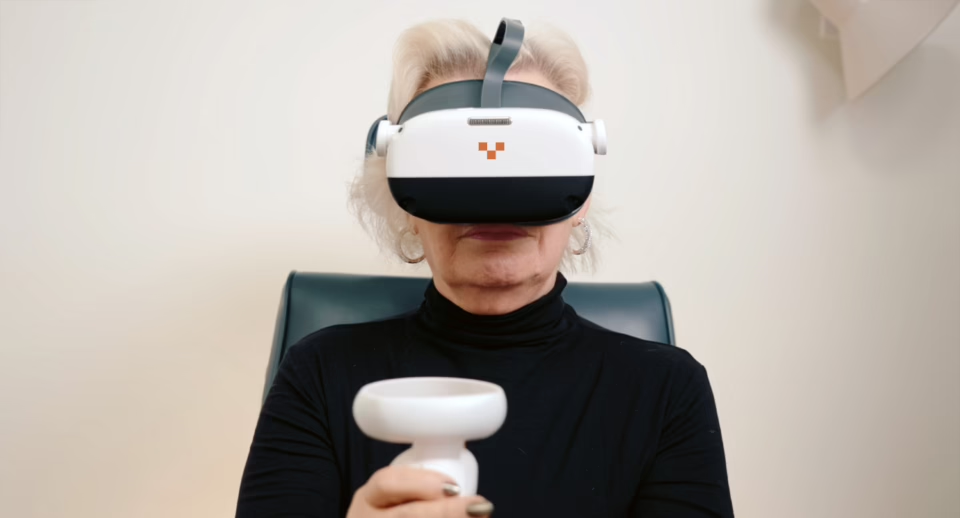
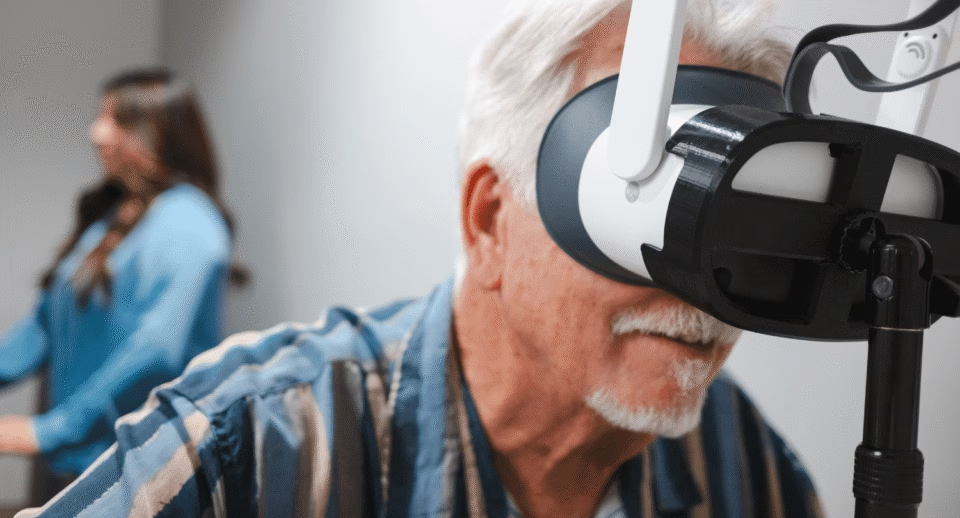
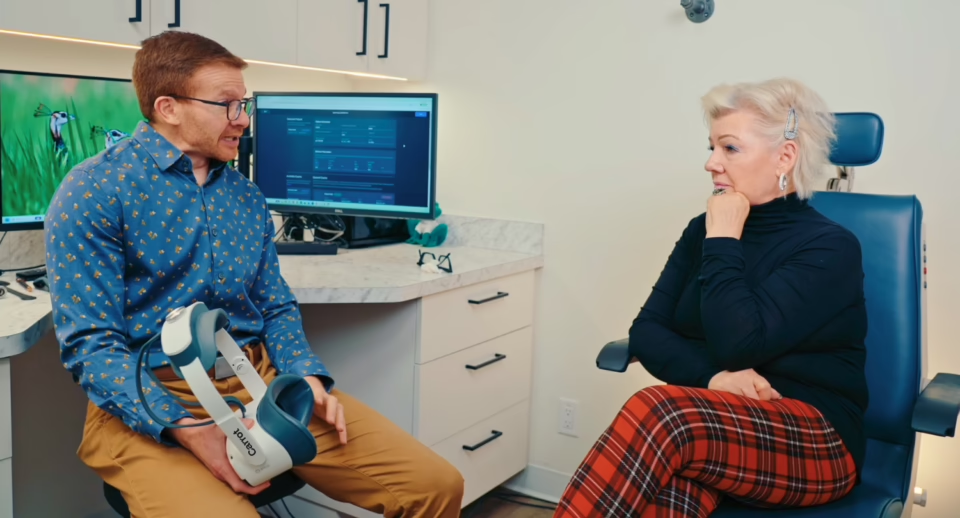
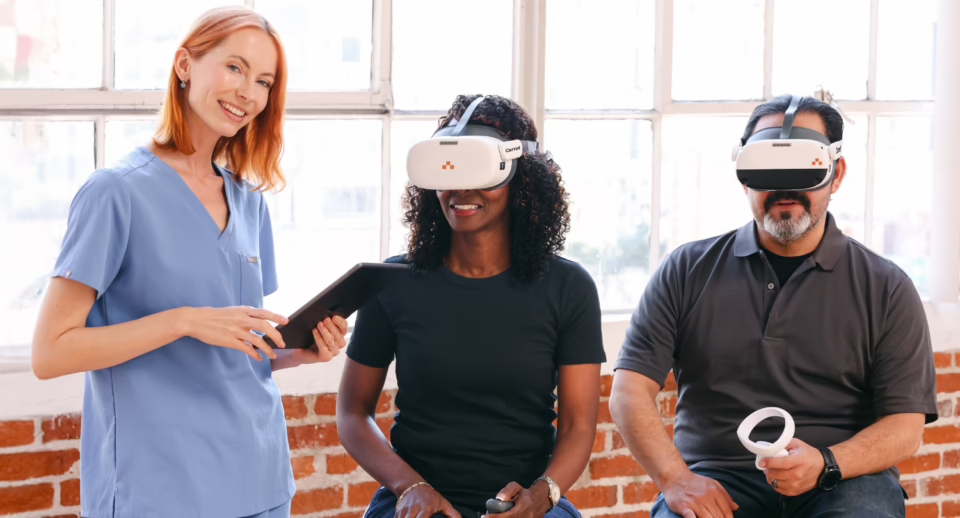
Virtual visual field testing uses a VR headset to conduct similar visual field assessments in a portable and potentially more cost-effective format. This approach may allow clinics to expand testing capacity and improve access to visual field monitoring.
“Virtual visual field testing offers a portable and efficient alternative to traditional Humphrey visual field testing.”
Study Overview
Researchers conducted a retrospective analysis comparing virtual reality visual field testing to traditional Humphrey visual field testing in a comprehensive academic ophthalmology practice.
Study Population
76 patients underwent virtual visual field testing during the study period.
Of these, 50 eyes from 48 patients had a Humphrey 24-2 SITA Standard test performed within the previous 12 months and were included in the final analysis.
The study population included:
- 43.75% male and 56.25% female participants
- Mean patient age of 55.3 years
- Patients with a range of ocular diagnoses
Testing Method
Virtual visual field testing was implemented at Stony Brook University during the COVID-19 pandemic to maintain visual field testing capacity.
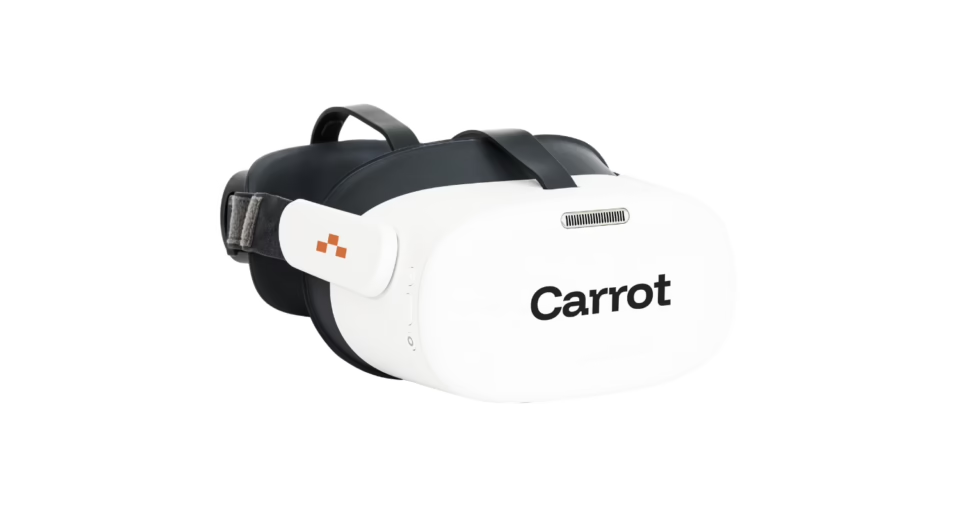
Participants completed testing using the Virtual Field platform (now Carrot) with the BOLT testing strategy. Researchers compared these results to each patient’s most recent Humphrey 24-2 SITA Standard visual field test performed within the prior year.
Primary outcomes included:
- Mean deviation
- Pattern standard deviation
- Visual field index
- Fixation losses
- False positives and false negatives
- Test duration
Patient Experience and Results
Overall, the study found strong agreement between virtual reality testing and traditional Humphrey visual field testing.
Key findings included:
- No significant difference in fixation loss rates between the two tests
- No significant difference in false negative rates
- Fewer false positives observed with VVF testing
- No statistically significant difference in mean deviation
Some differences were observed in pattern deviation and visual field index, though the measurements still demonstrated strong correlations between the two testing methods.
Correlation analysis showed:
- Mean deviation correlation: 0.74
- Pattern deviation correlation: 0.65
- Visual field index correlation: 0.71
These results suggest that VR-based testing can yield clinically meaningful results comparable to those of the current standard method.
Efficiency and Practical Advantages
In addition to comparable clinical measurements, the study identified several practical advantages of virtual visual field testing.
Testing with the VR system was approximately 2.4 minutes shorter than traditional Humphrey testing. While this difference may appear small, it can significantly improve clinic workflow when multiplied across many patients.
Virtual reality testing also offers advantages in:
- Portability, allowing testing outside of specialized visual field rooms
- Lower equipment cost compared to large clinical machines
- Flexibility for clinics expanding testing capacity
“Portable VR testing may help reduce barriers to visual field monitoring while maintaining clinically useful results.”
Future Directions
Although early results are promising, researchers note that additional studies are needed to fully evaluate the long-term clinical performance of virtual visual field testing.
Future research will focus on:
- Reproducibility of VR visual field measurements
- Longitudinal progression monitoring
- Larger prospective comparisons with Humphrey testing
These studies will help determine how virtual visual field testing can best complement or expand traditional glaucoma monitoring workflows.