Study Citation
Hu GY, Prasad J, Chen DK, Alcantara-Castillo JC, Patel VN, Al-Aswad LA. Home Monitoring of Glaucoma Using a Home Tonometer and a Novel Virtual Reality Visual Field Device: Acceptability and Feasibility. Presented at the American Glaucoma Society (AGS) Annual Meeting, Nashville, TN, March 3–6, 2022. Published in Ophthalmology Glaucoma.
The Growing Role of Remote Glaucoma Monitoring
Glaucoma is a chronic disease that requires lifelong monitoring of intraocular pressure and visual field changes to prevent vision loss. Traditionally, this monitoring occurs during periodic clinic visits using specialized diagnostic equipment such as the Humphrey Field Analyzer.
However, clinic-based testing creates barriers for some patients, including:
- Travel to specialty clinics
- Limited testing availability
- Long intervals between monitoring visits
Advances in digital health and portable diagnostic tools have opened the possibility of monitoring glaucoma from home. These technologies may allow clinicians to collect more frequent data while empowering patients to take a more active role in their care.
Virtual reality visual field testing is one emerging approach that may enable remote monitoring of visual function outside traditional clinical settings.
Study Overview
Researchers conducted a prospective feasibility study to evaluate whether patients with glaucoma could successfully use two devices at home:
- A home tonometer to measure intraocular pressure
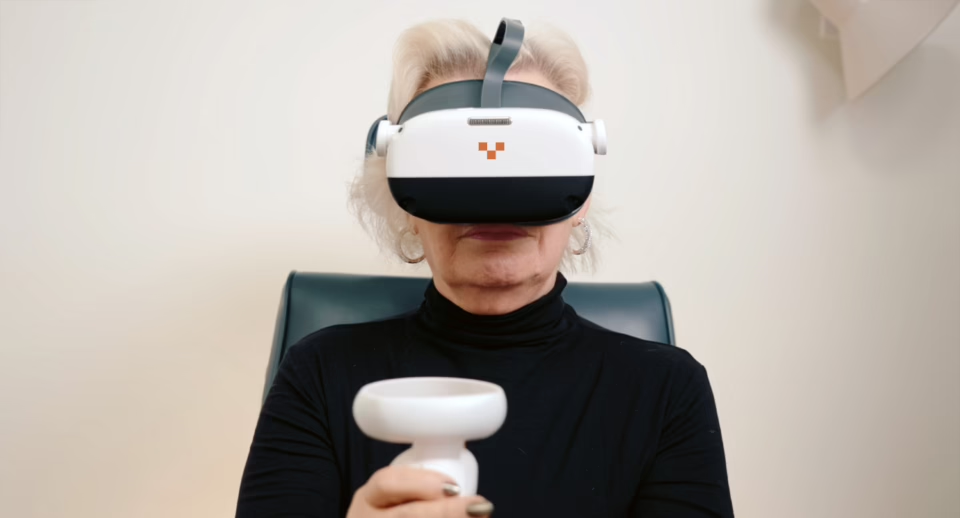
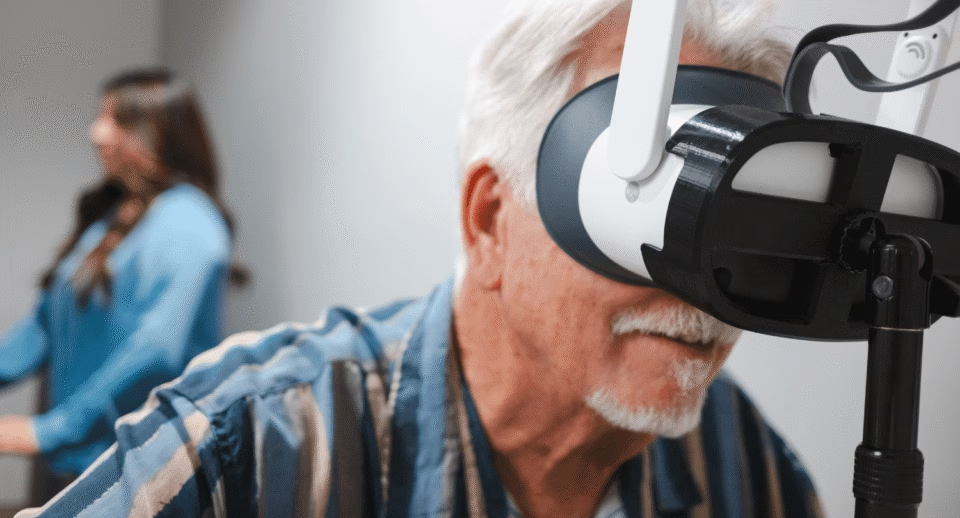
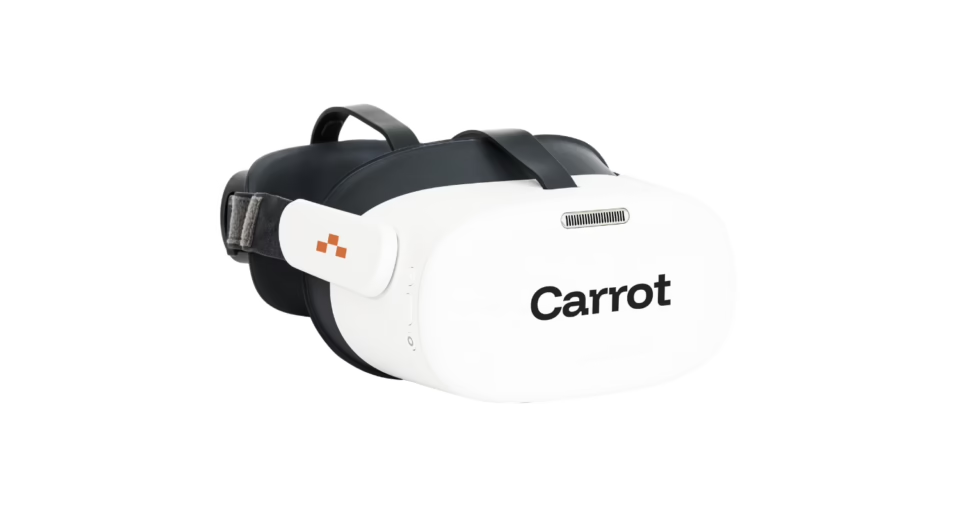
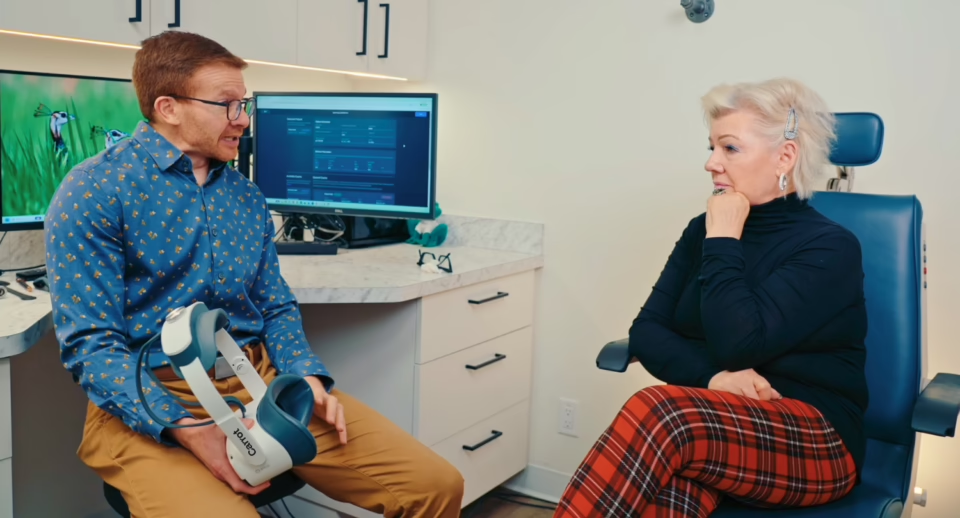
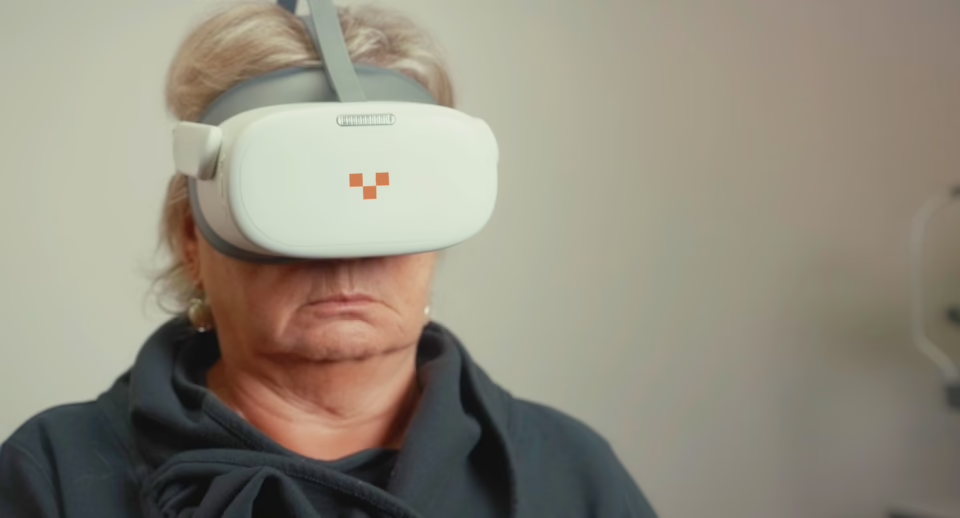
- A virtual reality visual field device (Virtual Field, now Carrot) to assess visual field changes
The goal of the study was to determine the acceptability and feasibility of home-based glaucoma monitoring using these technologies.
Study Population
The study enrolled 20 patients representing 39 eyes with glaucoma or glaucoma-related conditions, including:
- Primary open-angle glaucoma
- Open-angle glaucoma
- Ocular hypertension
- Suspected glaucoma
Participants were recruited from the New York University Langone Eye Center glaucoma clinic.
Patient demographics included:
- 35% male and 65% female
- Mean age: 55.4 years
- Age range: 25–83 years
Testing Method
Patients received training on how to use both devices before taking them home.
Participants were instructed to perform testing over one week, including:
- Home tonometry: four measurements per day for four days
- Virtual reality visual field testing: three tests during the study period
Researchers evaluated feasibility using:
- Device usage rates
- Quality of completed tests
Acceptability was assessed through:
- Patient satisfaction surveys
- Semistructured interviews
- Qualitative thematic analysis of patient experiences
Patient Experience and Results
Overall, the study found high levels of patient satisfaction and successful device use at home.
Ease of Use
Patients reported that both devices were easy to use, with particularly strong acceptance of the VR visual field device.
Key findings included:
- 100% of patients reported that the VR visual field device was easy to use
- 94.4% of patients found the VR test useful
- 100% of participants successfully completed a visual field test at home
For the home tonometer:
- 73.7% reported the device was easy to use
- 100% found the device useful
Patient Preferences
Many participants expressed a preference for home-based testing compared with traditional clinic visits. In particular:
- 73.7% preferred using the VR visual field device at home instead of in-office Humphrey testing
Patients noted that home monitoring reduced logistical barriers and allowed them to collect more information about their eye health between clinic visits.
Qualitative Insights
Researchers identified four major themes in patient interviews:
- Advantages of home monitoring
- Difficulties with home monitoring
- Future considerations for remote care
- Patient experiences living with glaucoma
Patients frequently reported that home monitoring provided:
- Greater confidence in managing their disease
- A stronger sense of security between clinic visits
- Increased engagement with their treatment
Implications for Remote Glaucoma Care
The study suggests that home monitoring using VR visual field testing could play an important role in the future of glaucoma care.
Because virtual reality perimetry can be performed outside specialized testing rooms, it may enable:
- Remote glaucoma monitoring
- Telehealth follow-up visits
- More frequent visual field assessments
- Improved patient engagement
Researchers concluded that patients were able to perform these tests proficiently at home and were enthusiastic about participating in remote monitoring.
While larger studies are needed to further validate clinical accuracy, the results suggest that home-based VR visual field testing may help expand access to glaucoma monitoring and improve patient-centered care.