The Need for Accessible Visual Field Testing
Monitoring visual field loss is essential for tracking glaucoma progression and guiding treatment decisions. Standard automated perimetry—most commonly performed using the Humphrey Field Analyzer (HVF), remains the gold standard for detecting and monitoring visual field defects.
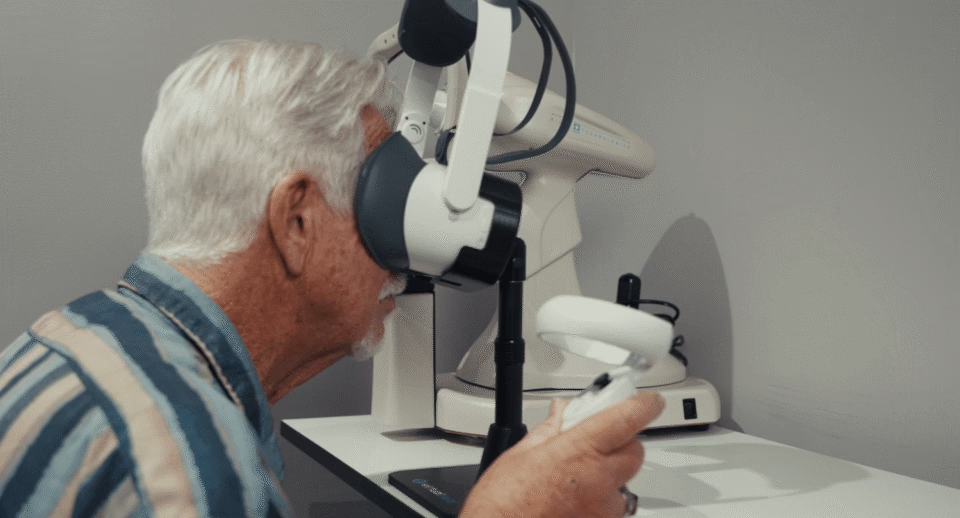
However, traditional visual field testing systems require large specialized equipment, dedicated testing space, and trained personnel. These requirements can limit access to testing in certain clinical settings.
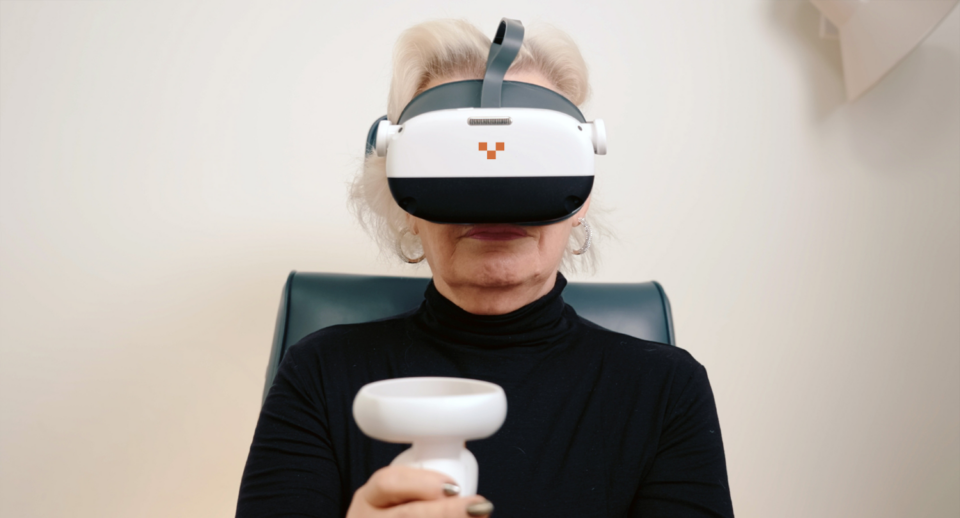
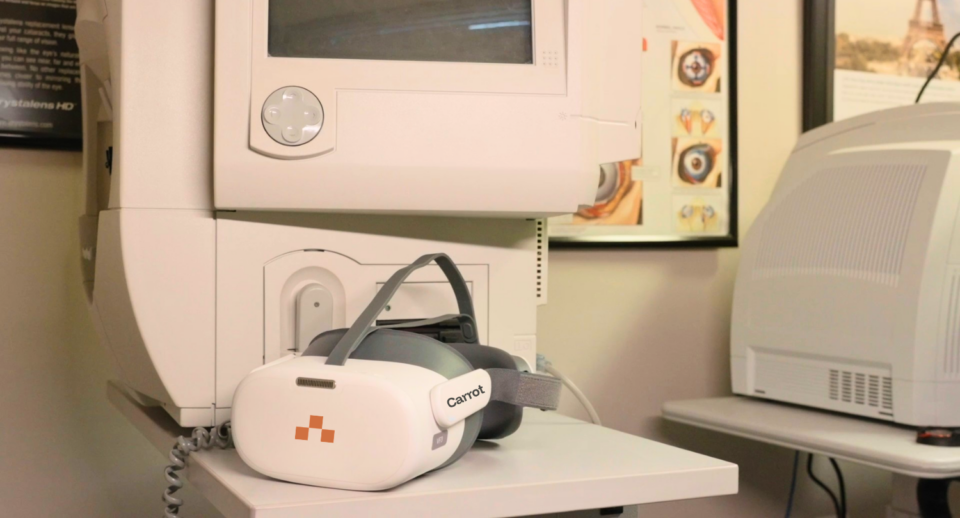
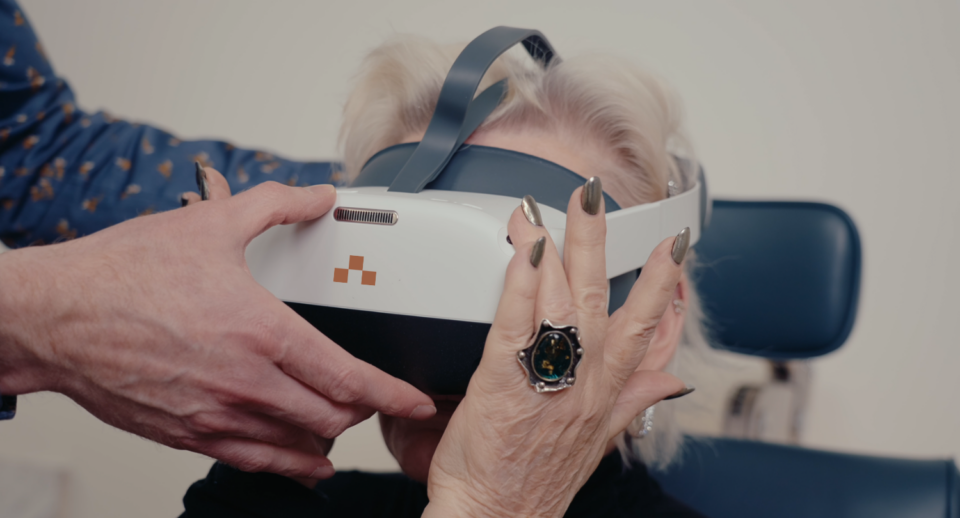
Portable virtual reality visual field (VRVF) platforms offer a potential solution by delivering perimetry through lightweight VR headsets that can be deployed in more flexible clinical environments.
“Portable VR visual field devices may provide a practical screening tool when standard automated perimetry is not available.”
Study Overview
Researchers at the Bascom Palmer Eye Institute conducted a study to evaluate whether portable virtual reality visual field testing could provide clinically meaningful results when traditional automated perimetry is unavailable.
The study assessed how VR-based visual field testing compares to Humphrey visual field testing in patients with glaucoma.
The primary goal was to determine whether VR visual field testing could serve as a reliable screening tool for detecting actionable visual field changes.
Study Population
The study included 33 glaucoma patients representing 60 tested eyes.
All participants had:
- A prior Humphrey visual field test within the previous six months
- At least two historical visual field tests on record
Patients completed virtual reality visual field testing during routine clinic visits, and results were compared with each patient’s most recent Humphrey visual field results.
Testing Method
Researchers compared results from virtual reality visual field testing with Humphrey automated perimetry.
Visual field severity was categorized using Hodapp-Anderson-Parrish (HAP) criteria, which classify glaucoma visual field defects into:
- Mild
- Moderate
- Severe
Agreement between VR testing and Humphrey testing was analyzed using weighted kappa statistics, a method used to measure agreement between diagnostic tests.
Interpretation of weighted kappa values:
- ≤ 0.4 — Poor agreement
- 0.4–0.75 — Fair to good agreement
- ≥ 0.75 — Excellent agreement
Clinical Results
Overall, the study demonstrated good agreement between VR visual field testing and Humphrey perimetry.
Agreement in Visual Field Severity
Among the 60 eyes tested, Humphrey visual field results were distributed as:
- 42% mild disease
- 22% moderate disease
- 37% severe disease
When researchers compared severity classifications between VR testing and Humphrey testing:
- Exact agreement occurred in 62% of eyes
- Agreement within one severity category occurred in 37% of eyes
- Only one eye showed complete disagreement between the two tests
The overall weighted kappa score was 0.69, indicating good agreement between the two testing methods.
Detection of Severe Visual Field Defects
When identifying severe visual field defects, the VR testing platform demonstrated:
- 77% sensitivity
- 77% specificity
These findings suggest that VR visual field testing can effectively detect clinically significant visual field loss.
Practical Advantages of VR Visual Field Testing
In addition to producing clinically meaningful results, VR visual field testing offers several practical advantages compared with traditional perimetry systems.
Because VR testing uses portable headset technology, it can be deployed in a variety of clinical settings.
Potential advantages include:
- Improved accessibility in clinics without dedicated visual field equipment
- Lower equipment costs compared to traditional perimeters
- Greater portability for outreach or satellite clinics
- Potential use in telehealth glaucoma care models
Researchers noted that the increasing accessibility and affordability of VR headsets make them well-suited for visual field testing applications.
Future Implications for Glaucoma Care
The study suggests that virtual reality visual field testing could play an important role in expanding access to glaucoma monitoring.
While traditional automated perimetry remains the clinical standard, VR-based testing may serve as a valuable screening tool when access to standard perimetry is limited.
Future research may explore:
- Larger patient populations
- Longitudinal monitoring of glaucoma progression
- Integration of VR visual field testing into teleophthalmology workflows
As digital health tools continue to evolve, VR perimetry may help bring visual field testing to more patients and clinical environments.
Study Citation
Grossman A, Savatovsky E, Feuer W, Javitt M, Ziff M, Chang TC, Grajewski A.
The Role of Virtual Reality in Visual Field Testing when Standard Automated Perimetry is Not Available.
Bascom Palmer Eye Institute, University of Miami Health System.