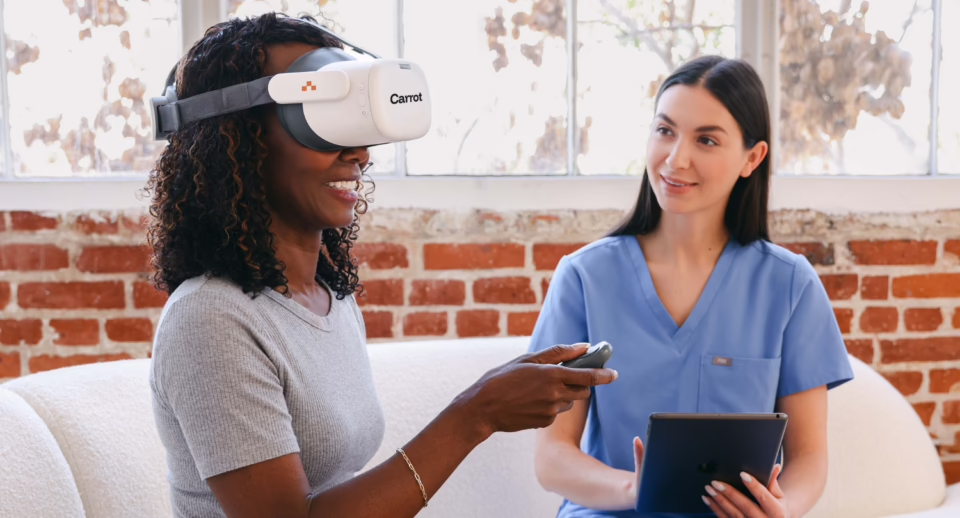
Measure functional vision with a digital test built into your diagnostic workflow
Most eye exams measure vision using high-contrast stimuli, but that does not always tell the full story. Contrast sensitivity testing helps evaluate how vision performs in low-light, low-contrast, or high-glare conditions, the real-world environments where many patients notice difficulty first.
Available from Carrot, digital Contrast Sensitivity Testing gives providers a simple way to add low-contrast vision assessment to the same headset-based workflow they already use for other exams. No separate chart. No manual setup. No disconnected process.
How a Contrast Sensitivity Test Device Measures Low Contrast Vision Using the Pelli-Robson Method
Contrast sensitivity testing is increasingly recognized as a valuable tool for evaluating visual function, but it is still not a core component of most routine eye exams. Traditionally, contrast sensitivity is measured using printed sine-wave gratings or contrast charts, such as the Pelli-Robson, Bailey-Lovie, and Mars Letter tests. These tests determine the minimum contrast level a patient can detect. However, these paper-based methods can fade, be inconsistently lit, or be subject to observer bias.
How to Conduct a Contrast Sensitivity Test Using Carrot
Carrot’s Contrast Sensitivity test brings this assessment into a digital, headset-based workflow. Instead of relying on separate charts, room setup, or manual scoring processes, providers can run the test directly through Carrot as part of a broader diagnostic exam.
Academic references and clinical validation

|
A recent survey in the British Journal of Ophthalmology found that, for patients with age-related macular degeneration, contrast sensitivity has a stronger correlation with vision-related quality of life than visual acuity. |
|
|
Changes in contrast sensitivity could indicate damage to the retina. Conducting this exam could help lead to earlier diagnoses of diabetic retinopathy. |
|
|
Tablet-based and virtual reality contrast sensitivity testing methodologies have been shown to be as effective and reliable as traditional methods. |
Research increasingly supports the move from paper-based tools toward digital contrast sensitivity testing that can reduce variability, support more consistent administration, and fit more easily into routine clinical workflows. Carrot now brings that capability into the same platform practices use for visual diagnostics.
Did You Know?
Carrot helps practices streamline visual diagnostic testing by bringing multiple exams into one headset-based platform. With Contrast Sensitivity from Carrot, practices can add another functional vision assessment without adding another standalone tool to the workflow.
Low Contrast Vision Assessment: What to Expect from the Test
It’s essential to distinguish visual contrast sensitivity testing from visual acuity and visual field exams. In this exam, patients are challenged to detect subtle patterns at varying contrast levels. They may notice a reduction in “sharpness” in their daily life, but often, patients don’t realize how much their functional vision has declined until they struggle with this test.
Eye care professionals may skip contrast sensitivity testing when traditional methods feel manual, inconsistent, or difficult to fit into the exam flow. Digital testing inside Carrot helps reduce that friction by making the test easier for staff to launch, administer, and incorporate into the broader patient workup.
Using Carrot to conduct a digital contrast sensitivity test provides practices with a more convenient way to establish a functional vision baseline and to include low-contrast vision assessment in routine or problem-focused exams.
Pros and Cons of Using a Contrast Sensitivity Test Device
The pros and cons that follow can help guide you toward the ideal scenarios to incorporate this test into your patients’ diagnostic assessments.
|
Pros
|
Cons
|

Conditions Where Low Contrast Sensitivity Testing Can Add Clinical Context
A low-contrast vision assessment can help uncover functional vision changes associated with cataracts, diabetic retinopathy, glaucoma, AMD, neuro-ophthalmic disease, and post-surgical vision concerns. With Carrot, providers can add this functional layer without sending patients through a separate chart-based workflow.
|
|

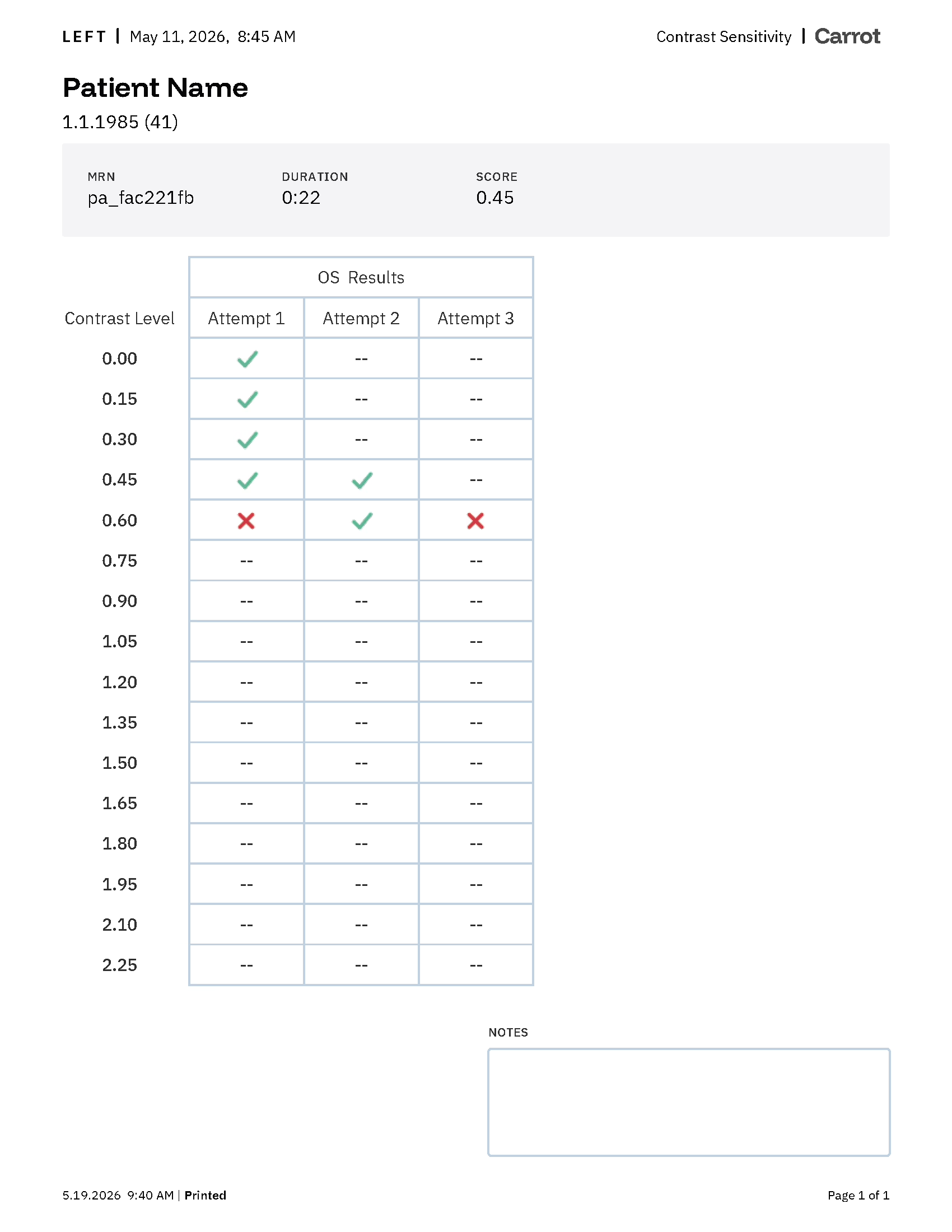
Example Contrast Sensitivity Report
Billing and Documentation for Contrast Sensitivity Vision Assessments
Contrast sensitivity testing may be documented as part of a broader functional vision assessment, depending on the clinical context and payer requirements. Practices should review current CPT guidance, payer policies, and state-specific rules before determining how to document or bill for the test.
Results from a digital contrast sensitivity test in Carrot can support the clinical record by documenting functional vision findings alongside the broader diagnostic exam.
When should providers consider contrast sensitivity testing?
Because Contrast Sensitivity is available from Carrot, practices can incorporate the test more easily when patient symptoms, disease monitoring, cataract evaluation, or post-treatment follow-up call for a functional vision assessment.
People with certain professions, such as pilots or machine operators, may need vision contrast sensitivity testing to meet occupational requirements. For other patients, it can be a matter of everyday safety.
Is contrast sensitivity testing required for driver’s licenses?
Surprisingly, no, the U.S. Department of Transportation doesn’t mandate contrast sensitivity testing for standard driver’s licensing. Although low contrast sensitivity can be highly hazardous to drivers, most states rely on visual acuity and visual field testing for licensing. Results from the Esterman exam or FullField 120 are usually sufficient.
Complete Your Comprehensive Exams with Carrot
Early changes in contrast sensitivity can signal functional vision decline before standard acuity changes. With Contrast Sensitivity now available in Carrot, providers can add low-contrast vision assessment to the same headset-based platform they use for visual diagnostics.
Carrot helps practices deliver more complete, patient-friendly exams by bringing visual field testing, functional vision assessments, and other diagnostic tools into one connected workflow. For patients at risk of cataracts, AMD, diabetic retinopathy, glaucoma, or other conditions affecting functional vision, Contrast Sensitivity adds another meaningful layer of insight without requiring an additional standalone device.
Want all 23 of our comprehensive test guides in your inbox? Fill out the form below.

Frequently Asked Questions
Low-contrast loss correlates better with real-world tasks — night driving, face recognition — and often uncovers early cataract, glaucoma, or post-LASIK haze before acuity drops.
No specific code exists for contrast sensitivity. Most practices include it in 92014 or bill unlisted 92700 with variable success.
Healthy adults score ≥ 1.80 log units (letters A–C on the last line); lower scores suggest pathology or scatter.
Yes. Contrast sensitivity is highly correlated with patient-reported dysphotopsia and post-cataract surgery night-driving satisfaction.
Traditional chart-based testing may require separate materials, controlled lighting, manual setup, and manual scoring. Digital Contrast Sensitivity Testing in Carrot is built into the headset-based workflow, making it easier for staff to administer and easier for practices to incorporate into routine or problem-focused exams.