EOM
Objective Ocular Motility









How it works
The Exam, Documented in Full.
Ocular Motility Features
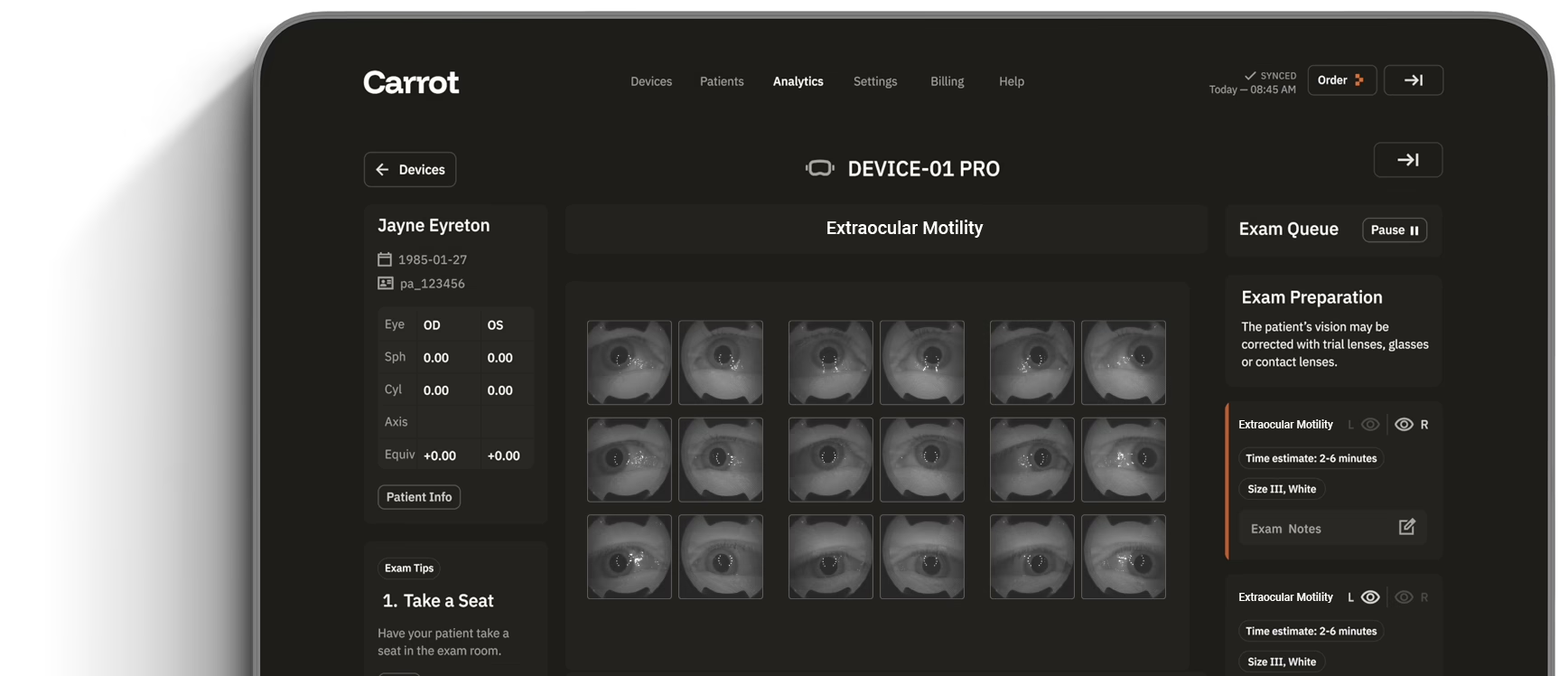
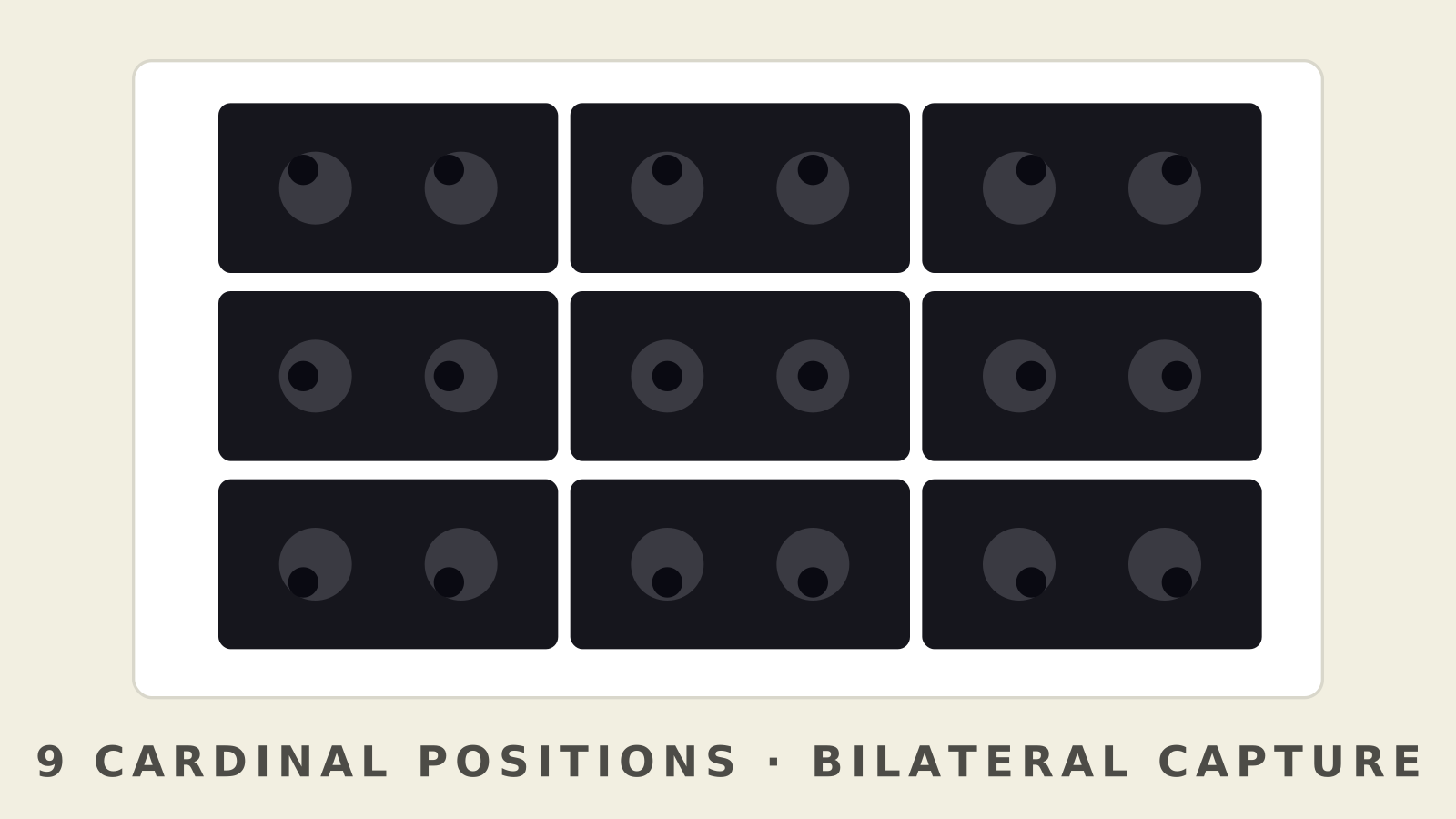
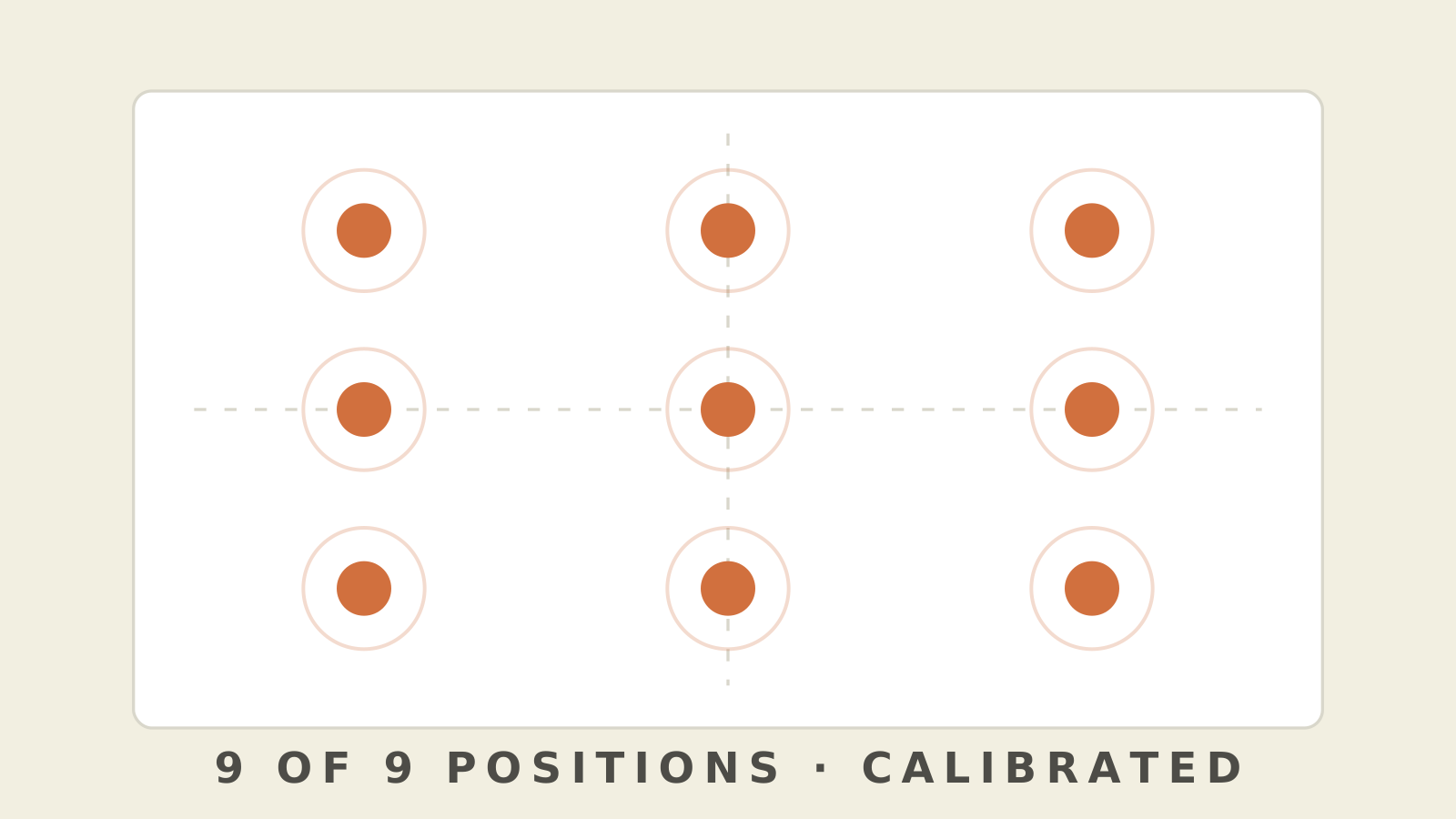
Cardinal-Position Photo Grid
Ocular Motility Features
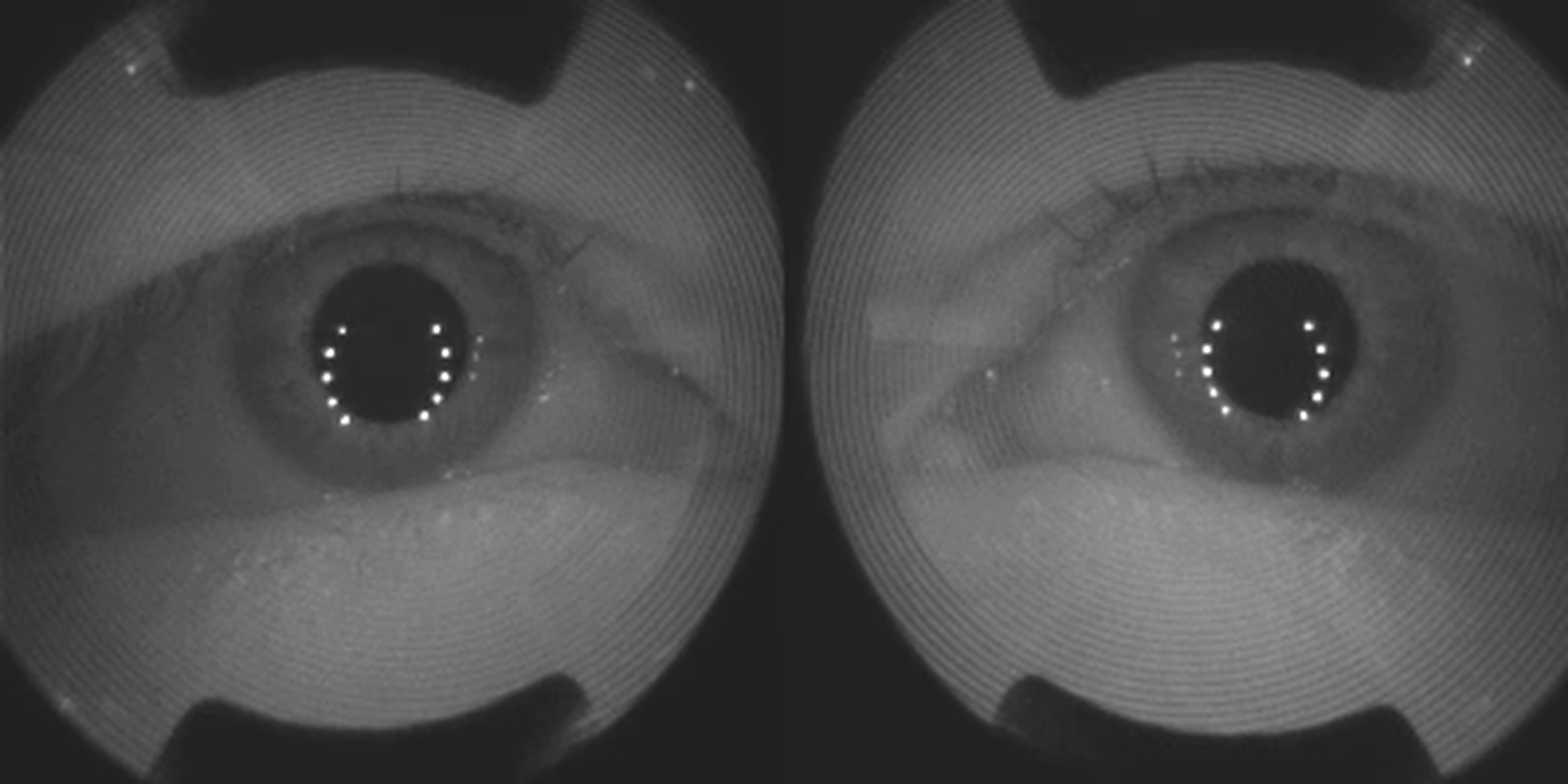
Continuous Eye Video
Ocular Motility Features
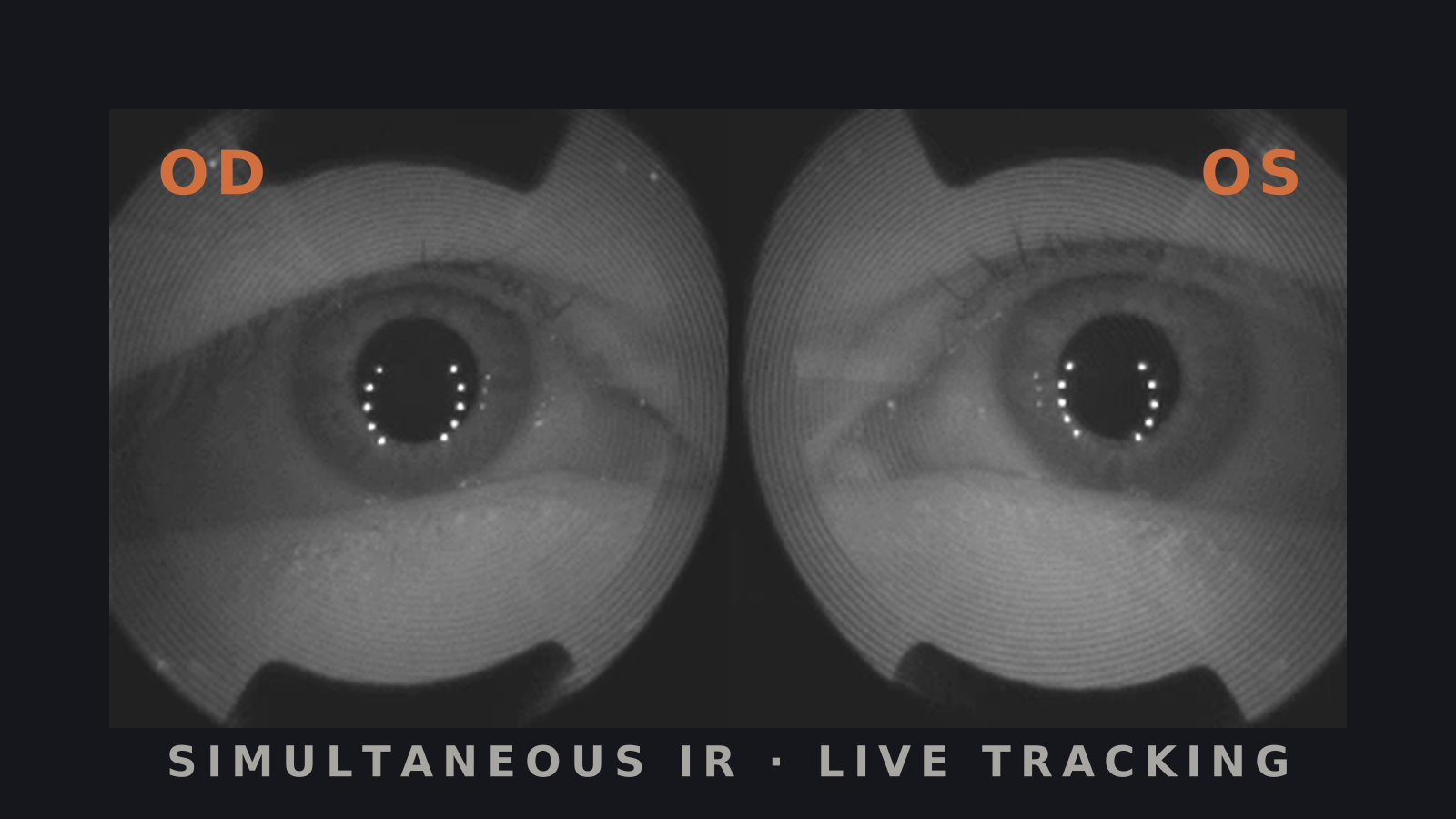
Bilateral IR Capture
Ocular Motility Features
Reproducible Stimulus Sequence
Free Trial
Bring Carrot Into Your Clinic—Free for 30 Days.
The New Gold Standard in Automated Perimetry
Carrot set the standard for VR visual fields when we introduced the first virtual visual field system in 2018. Today, our clinically validated testing is benchmarked against SITA, delivering accurate, repeatable results that support confident diagnosis and a seamless transition to modern visual diagnostics.
Testimonials
Why Your Peers Choose Carrot
FAQs
Questions about Carrot?
What does CPT 92060 reimburse, and does Carrot's exam support it?
CPT 92060 covers sensorimotor examination with multiple measurements of ocular deviation, with interpretation and report. Carrot’s standardized motility videography provides the documented capture across all nine cardinal positions that supports a clinician’s interpretation and 92060 report. The measurements and interpretation themselves are clinician-supplied—Carrot provides the visual evidence record. Specific reimbursement rates vary by payer and locality; consult your billing team or the most recent Medicare Physician Fee Schedule for current figures.
How does Carrot's ocular motility compare to traditional cover-uncover and observation testing?
Traditional cover-uncover, version, and duction testing depend on the examiner’s real-time observation, which produces excellent care from skilled clinicians but leaves the chart with only a narrative summary. Carrot doesn’t replace clinical observation but it documents it objectively. The standardized 30-second videography records what the clinician would have observed anyway, in a format the chart, the referring provider, and the follow-up visit can all reference directly. For most practices, Carrot complements the existing exam rather than replacing any step of it.
How long does the ocular motility exam take?
A complete Carrot ocular motility exam—both eyes, all nine cardinal positions—takes approximately 30 seconds. Patient setup, headset fitting, and exam launch typically bring total chair time to 1–2 minutes per patient.
Can quantitative ocular motility detect concussion-related deficits?
Oculomotor deficits are common in mild traumatic brain injury and post-concussion syndrome, and standardized motility videography provides a reviewable visual record that supports concussion documentation, return-to-play decisions, and recovery monitoring. The clinician interprets findings from the video; Carrot’s contribution is a consistent capture format that can be compared at baseline, injury, and follow-up.
Is ocular motility data shared with the EMR?
Yes. Carrot allows you to export ocular motility results as a one-page PDF report and as a linked video file. With DICOM 360 Sync (available with Pro subscription), results are automatically and securely transmitted to your EMR/EHR and PACS, matched to the correct patient record. The video file remains accessible from within the chart for review at follow-up or by consulting providers.
Is contrast sensitivity included in all Carrot subscriptions or is it an add-on?
Ocular Motility is included in Pro subscriptions. See our pricing page or speak with your account manager for full subscription details.
Can I run ocular motility alongside a visual field exam in the same session?
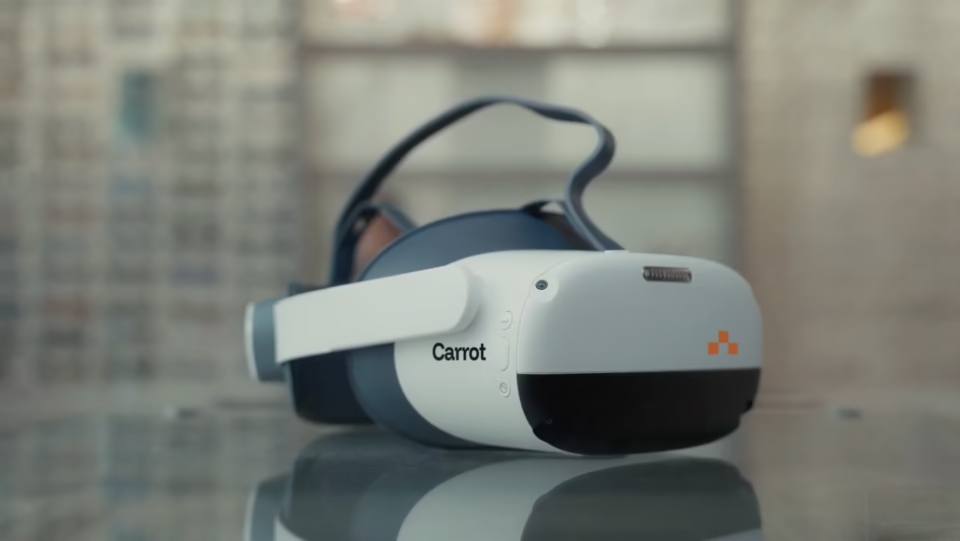
Yes. Ocular motility runs on the same Carrot headset as 24-2, 24-2C, 10-2, color vision, contrast sensitivity, pupillometry, and other exams on the platform. Technicians can queue multiple tests in a single patient session through the Carrot portal—one device, one setup, one consolidated report set—without moving the patient between rooms or devices.