Eye care professionals encounter numerous challenges that test the efficiency and efficacy of their practices. From prolonged wait times to intricate diagnostic puzzles, the journey to optimal patient care demands strategic navigation through evolving technologies and clinical demands.
This article dives into the imperative of optimizing eye care with technology, not only for enhancing patient outcomes but also to empower practitioners and practice owners to thrive. By embracing technologies, streamlining workflows, and fostering a culture of continuous learning, eye care professionals can unlock the full potential of their practices and deliver unparalleled care to those they serve.
Current Challenges in Eye Care
Eye care professionals today face many challenges that impact the efficiency and effectiveness of their practice. Among these challenges are long wait times, which not only inconvenience patients but also strain resources and hinder timely care delivery. Inefficient workflows add to this burden, leading to bottlenecks in patient management and increased administrative burdens for eye care providers.
Another significant challenge is the difficulty in diagnosing certain conditions, particularly those that present with subtle or overlapping symptoms. This can result in delayed or missed diagnoses, impacting patient outcomes and satisfaction. Additionally, staying up to date with rapidly evolving technologies and treatment modalities poses a continuous challenge for eye care professionals, requiring ongoing education and resource investment.
Addressing these challenges requires a multifaceted approach that includes streamlining workflows, leveraging technology for diagnostics and patient management, and fostering continuous learning and adaptation.
Technology in Eye Care
Technology is rapidly transforming the eye care landscape, offering optometrists, ophthalmologists, and other eye care professionals powerful tools to enhance patient outcomes. Some of the most profound advancements include:
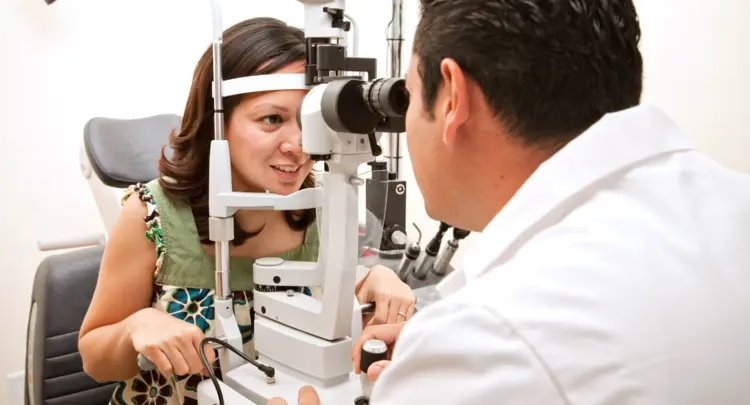
- Optical Coherence Tomography (OCT): Optical Coherence Tomography stands out as a cornerstone technology, providing high-resolution imaging of ocular structures with unparalleled detail. This non-invasive technique aids in diagnosing and monitoring conditions that affect the many intricate layers of the retina, such as age-related macular degeneration, diabetic retinopathy, and glaucoma.
- Telemedicine Platforms: Telemedicine platforms have emerged as invaluable resources, facilitating remote consultations and follow-ups. This innovation bridges geographical gaps and scheduling constraints, ensuring patients receive timely care and reducing barriers to access for individuals in remote or underserved areas.
- Artificial Intelligence (AI): Artificial intelligence is revolutionizing eye care across multiple fronts. AI-powered chatbots transform patient communication by providing instant responses to inquiries and streamlining appointment scheduling. AI also benefits eye care professionals by augmenting disease screening. It can help with note-taking and drafting patient responses, improve diagnostic accuracy, enhance images for ophthalmic surgery, and enable personalized treatment plans. This technology is no longer in its infancy; it is quickly maturing, and it will be exciting to see how AI will be implemented into daily practice.
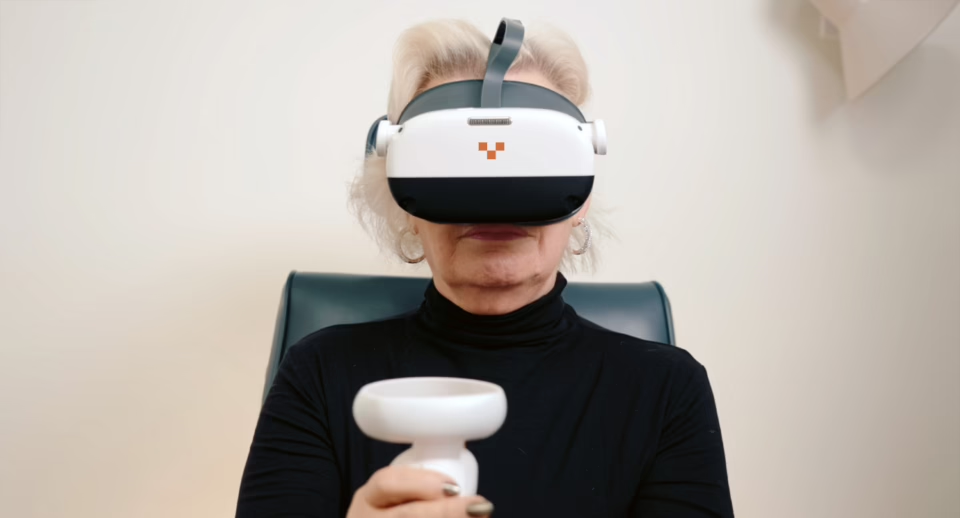
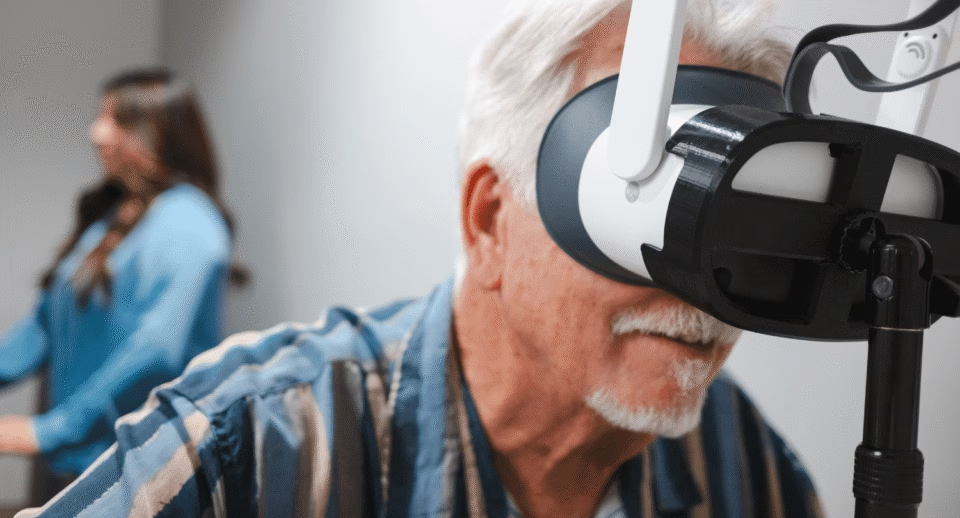
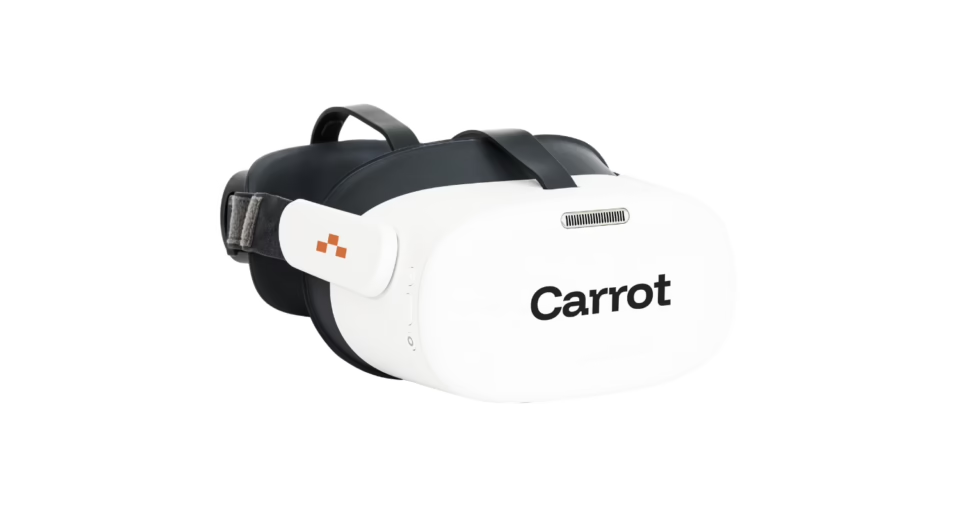
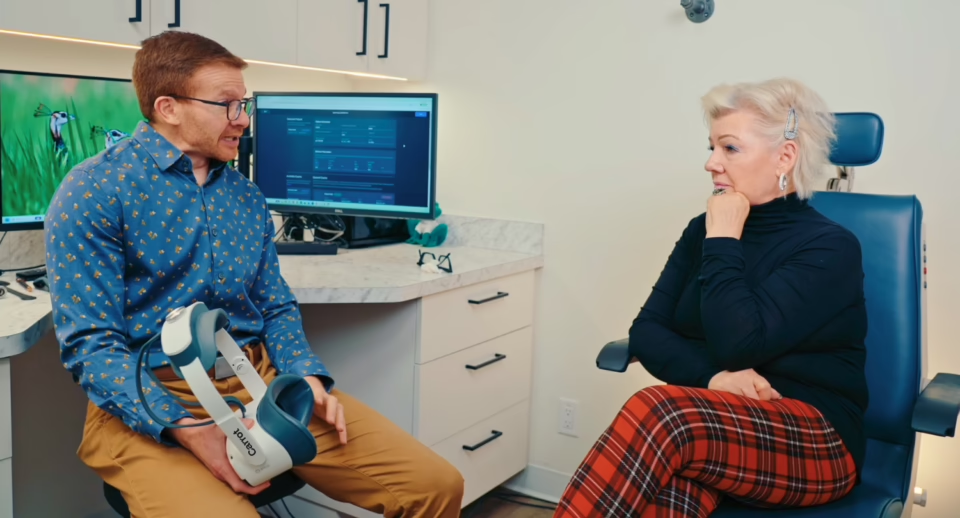
- Virtual Reality Visual Fields: Advanced tools like Carrot are pivotal for diagnosing, monitoring, screening, and disease detection, particularly for conditions such as glaucoma and macular degeneration. These tools enable comprehensive assessments of visual function, aiding in the timely management of sight-threatening conditions.
Benefits of Integrating Eye Care Technologies
Integrating technologies into eye care practices offers several benefits. Here are some of the biggest advantages you can anticipate.
Improving Diagnostic Accuracy and Early Disease Detection
Advanced technologies such as OCT and AI-driven diagnostic tools enhance the accuracy of detecting eye conditions at their earliest stages. High-resolution imaging provided by OCT enables detailed assessments of the retina and optic nerve, aiding in the early detection of glaucoma, macular degeneration, and diabetic retinopathy.
Enhancing Patient Engagement and Satisfaction
Telemedicine platforms facilitate remote consultations and follow-ups, improving patient accessibility and reducing the need for in-person visits. This streamlined approach enhances patient engagement by offering convenient options for consultations, prescription renewals, and monitoring of treatment progress. Patients experience greater satisfaction due to reduced wait times and personalized care plans.
Increasing Practice Efficiency and Reducing Administrative Burdens
Integration of advanced technologies streamlines workflow processes, reducing administrative burdens for eye care professionals. Electronic health records (EHRs) integrated with diagnostic tools like Carrot enable seamless documentation and analysis of patient data. Automated scheduling and billing systems improve efficiency by minimizing manual tasks, allowing practitioners to focus more on patient care and clinical decision-making.
Empowering Data-Driven Decision-Making
Technologies like AI-driven predictive analytics empower eye care professionals with data-driven insights. Analysis of large datasets enables personalized treatment plans informed by patient-specific risk factors and predictive modeling of disease progression. This data-driven approach enhances clinical outcomes and supports evidence-based practice.
Facilitating Collaborative Care and Knowledge Sharing
Integrated technologies foster collaborative care among multidisciplinary teams, enabling seamless communication and knowledge sharing. Telemedicine platforms facilitate consultations with specialists, enhancing comprehensive patient care. AI-driven diagnostic tools provide decision-support systems, aiding treatment planning and interdisciplinary collaboration for complex cases.

Case Studies and Success Stories
Many ophthalmologists, optometrists, surgeons, and other eye care professionals have found success integrating technologies into their practice. Here are a few real-world examples that highlight those successes and patient outcomes.
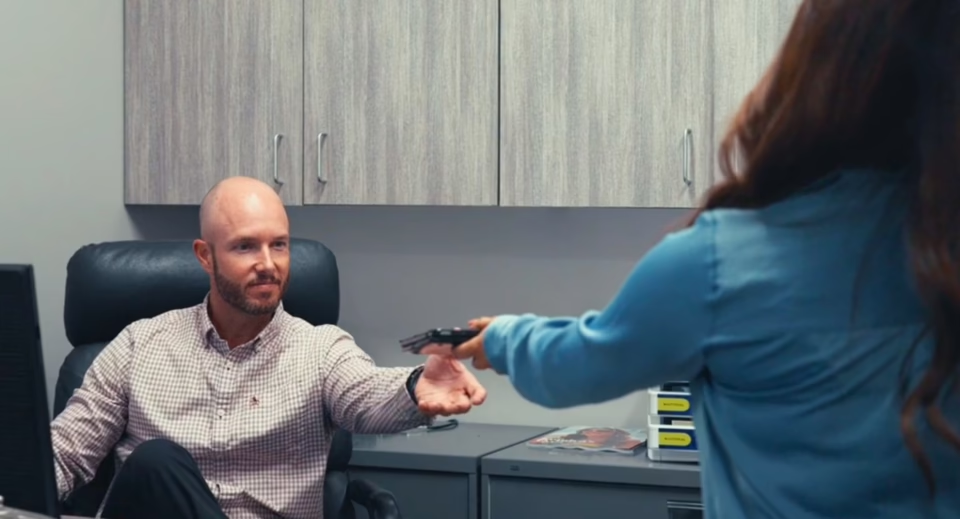
Case Study: Centerville Family Eyecare: Centerville Family Eyecare specializes in comprehensive family eye care, with a focus on managing glaucoma. They faced challenges with traditional tabletop visual field equipment, leading to patient discomfort and increased wait times due to simultaneous doctor work.
To remedy this issue, they turned to virtual visual field testing technology, Carrot. This technology addressed their issues by enhancing patient comfort, streamlining workflows, and improving diagnostic capabilities. Patients praised the technology for its efficiency and clarity, leading to consistent preference over traditional methods and affirming its positive impact on both patient experience and practice efficiency.
Carrot stands as a cornerstone in elevating the standard of care at Centerville Family Eyecare, showcasing the transformative potential of integrating advanced technologies into optometry practices.
Case Study: Dr. Carly Seidman: Dr. Seidman, an ophthalmologist and medical retina specialist, sought advanced technology to streamline her medical practice. When she found Carrot at a virtual AAO meeting, she was impressed by its compact design and subscription model. This technology transformed her practice by enabling efficient visual field testing in small spaces and improving accessibility for patients with limited mobility.
Dr. Seidman uses Carrot for glaucoma monitoring, hydroxychloroquine screening, and ptosis examinations, achieving outstanding diagnostic accuracy and facilitating insurance authorizations for medically necessary procedures.
She also recommended Carrot to a colleague, who praised its functionality and cost-effectiveness, highlighting its transformative impact on diagnosis and patient care.
Practical Tips for Implementing Technology
Here are six practical tips for eye care practitioners and practice owners to effectively integrate technologies into their workflow:
- Staff Training: Implement comprehensive training programs to ensure staff members are proficient with technologies. Offer hands-on training sessions and provide access to online resources for continuous learning.
- Interoperability: Prioritize technologies compatible with your practice’s existing systems and workflows. Choose solutions that offer compatibility with EHRs and other essential software platforms.
- Data Privacy and Security: Partner with reputable technology providers that prioritize data privacy and security. Ensure compliance with regulations such as HIPAA (Health Insurance Portability and Accountability Act) to safeguard patient information.
- Patient Education: Develop educational materials and communication strategies to inform patients about the benefits and proper use of technologies. Use visual aids, demonstrations, and clear instructions to enhance patient understanding.
- Regular Updates and Maintenance: Schedule regular updates and maintenance checks for all technologies to ensure optimal performance and minimize downtime. Establish protocols for troubleshooting and addressing technical issues promptly.
- Feedback Collection: Encourage feedback from both staff and patients regarding their experiences with technologies. Use surveys, interviews, and feedback forms to gather insights and make informed decisions for improvement.
By following these practical tips, eye care professionals can successfully integrate technologies into their workflow while enhancing patient care and practice efficiency.
Mastering Eye Care Technology
In conclusion, the journey to integrating technology into your eye care practice is not only feasible but also highly rewarding. Technologies like Carrot can address specific challenges, enhance patient comfort, streamline workflows, and significantly improve diagnostic capabilities. Success stories underscore the transformative potential of integrating advanced technologies into optometry and ophthalmology practices, elevating the standard of care and enhancing both patient experience and practice efficiency. By embracing technology and following these practical guidelines, eye care professionals can unlock the full potential of their practices, delivering superior care and improving patient outcomes.