Color Vision Test
Standardized Ishihara
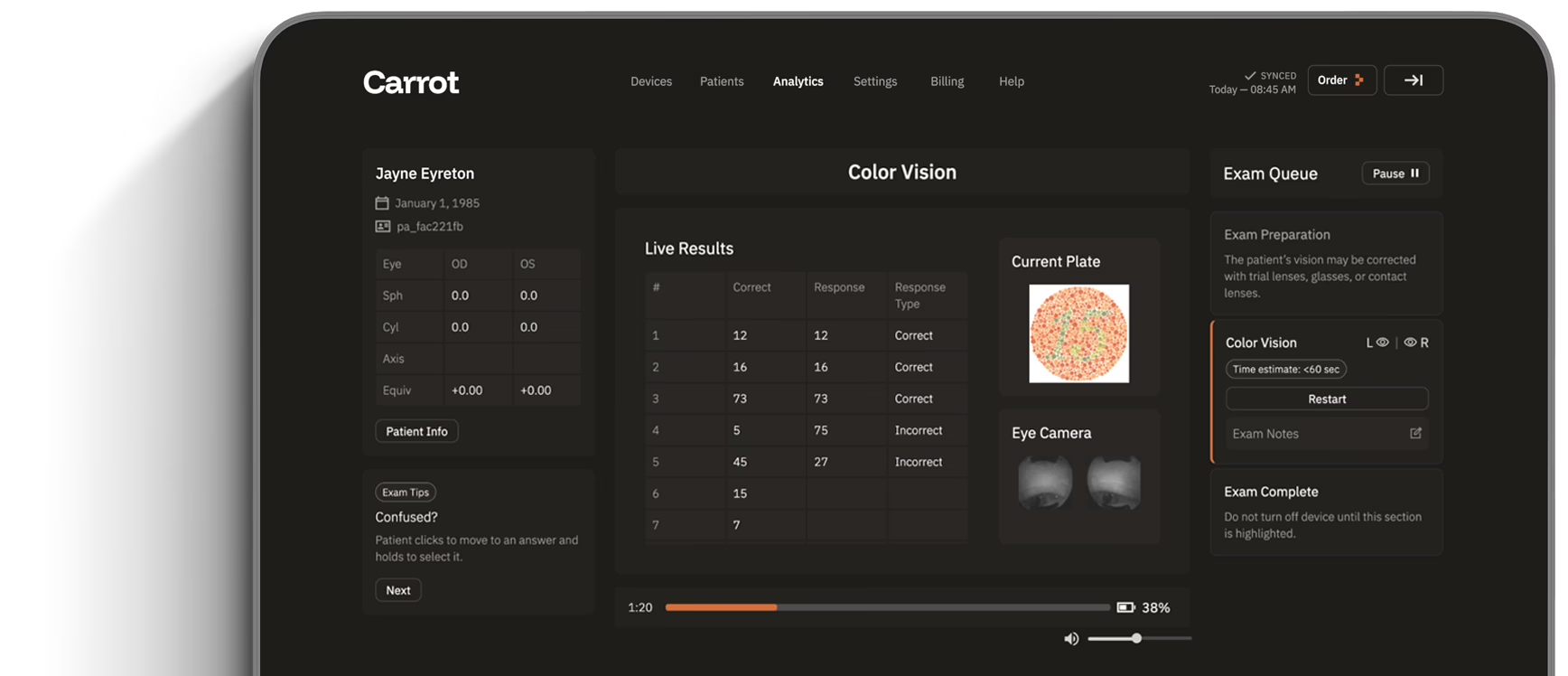









What It Measures
Every Plate. Every Response. Automatically Scored.
Color Vision Testing Features
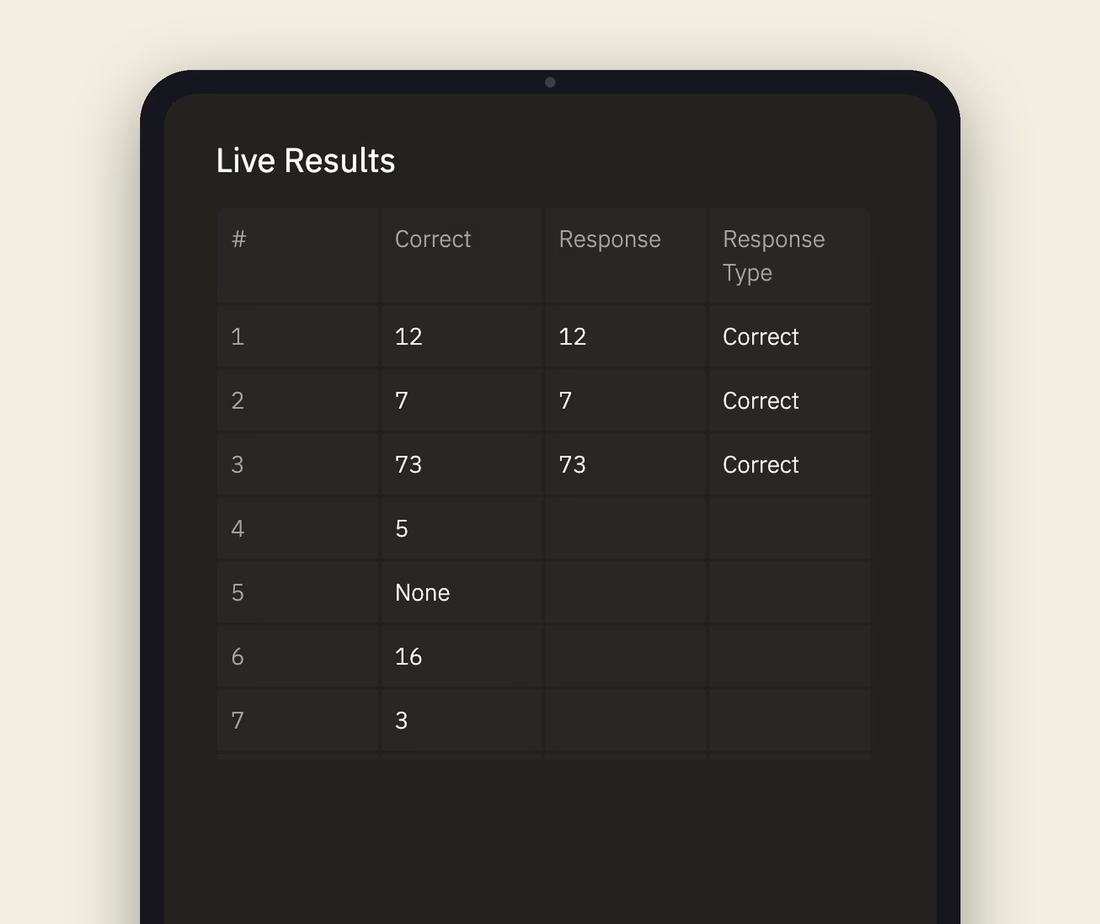
Plate-by-Plate Results
Color Vision Testing Features
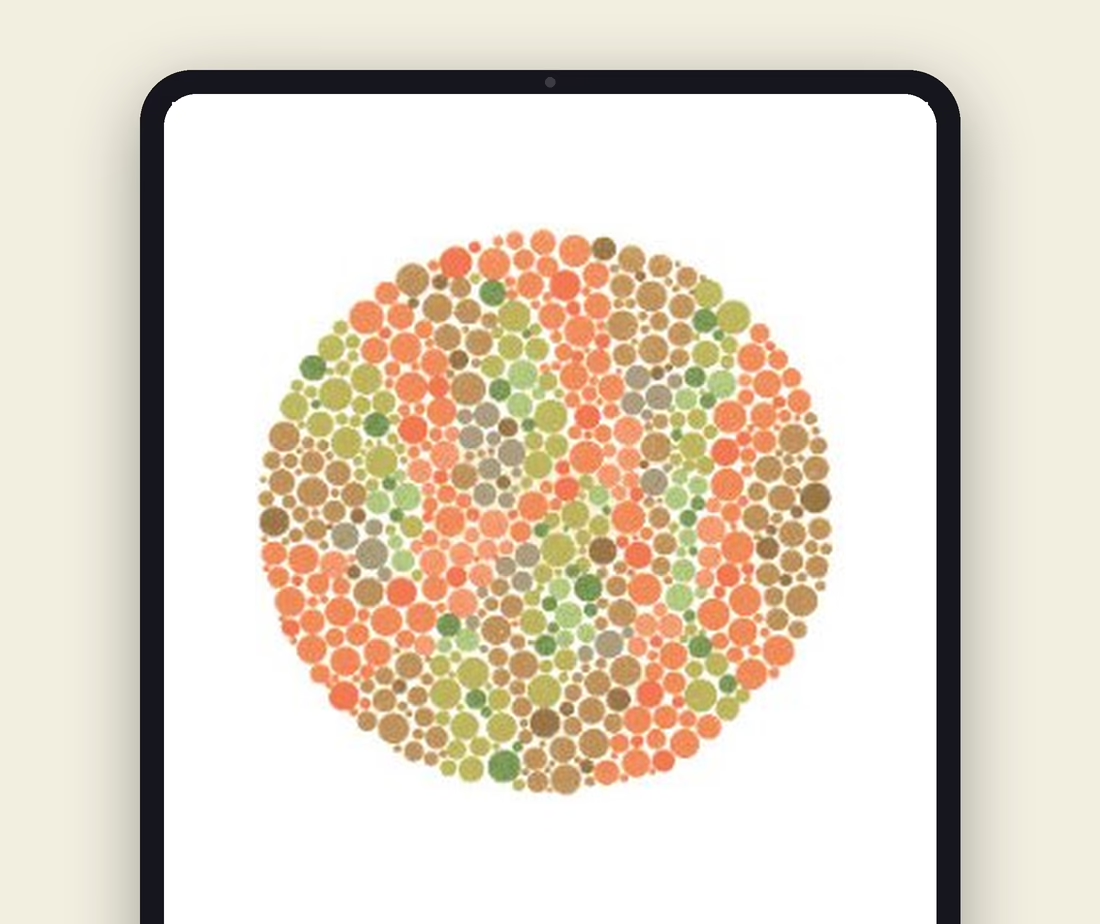
Calibrated Color Rendering
Color Vision Testing Features
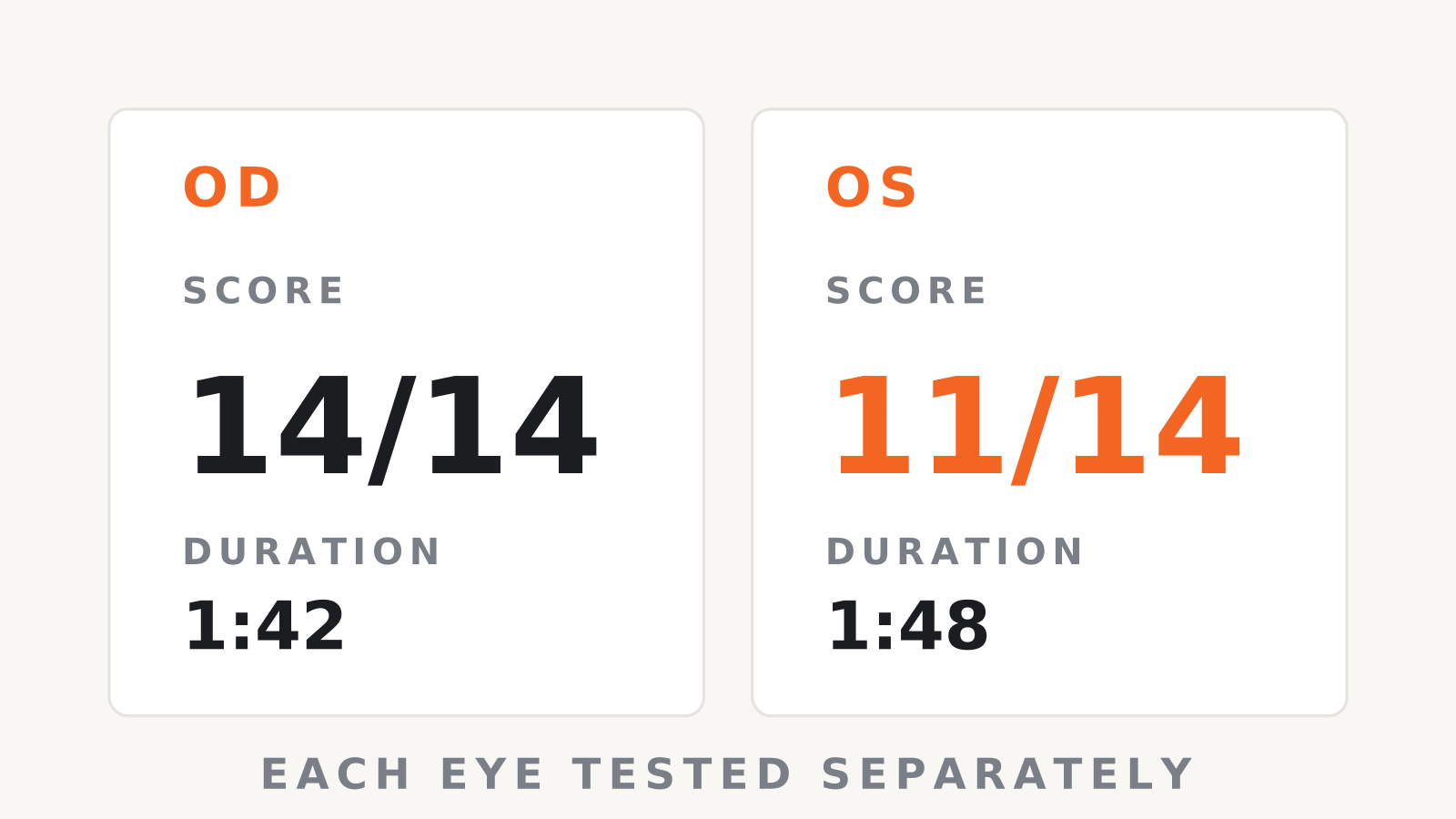
Per-Eye or Binocular Testing
Color Vision Testing Features
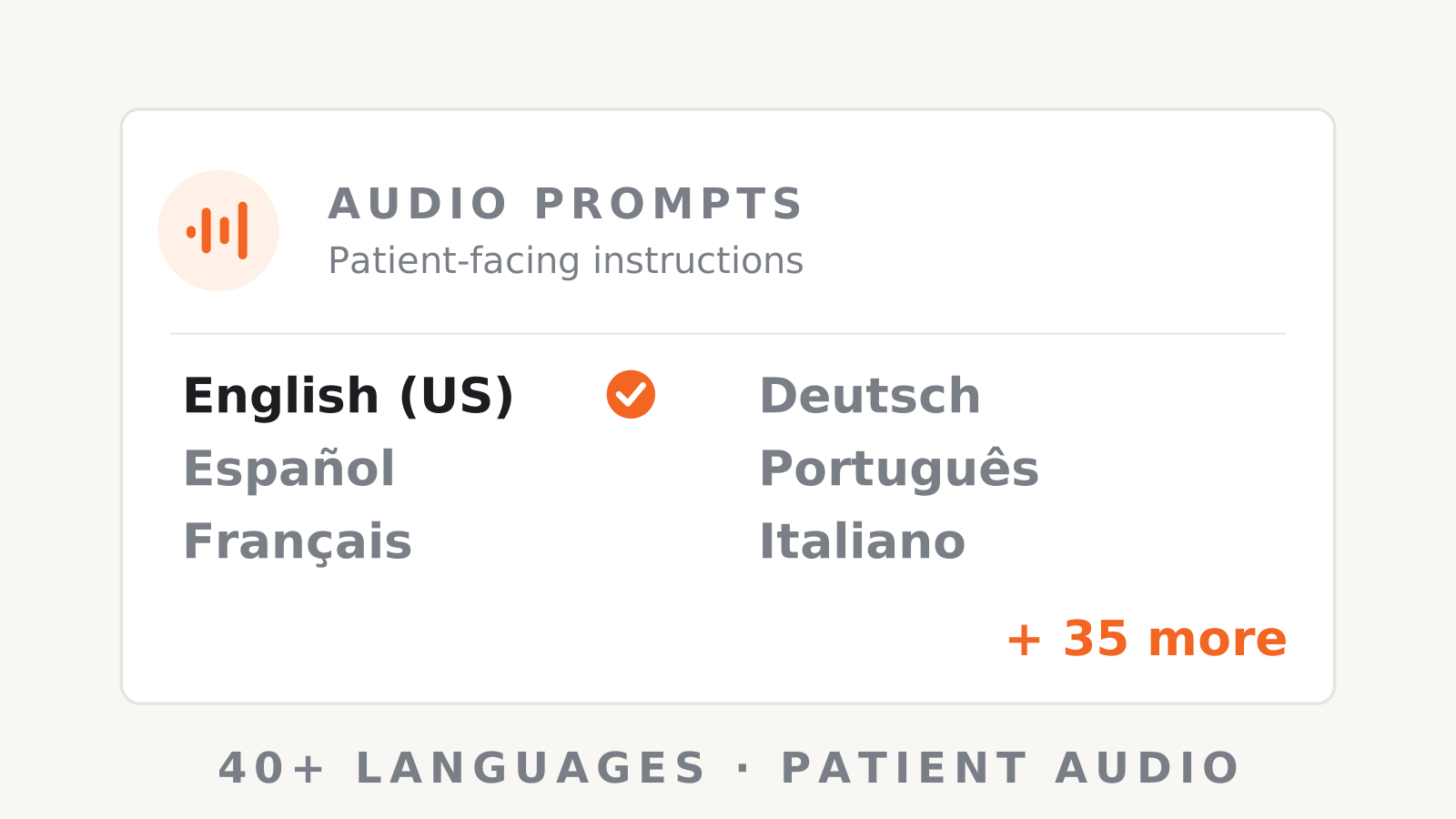
Multi-Language Audio Prompts
Free Trial
Bring Carrot Into Your Clinic—Free for 30 Days.
The New Gold Standard in Automated Perimetry
Carrot set the standard for VR visual fields when we introduced the first virtual visual field system in 2018. Today, our clinically validated testing is benchmarked against SITA, delivering accurate, repeatable results that support confident diagnosis and a seamless transition to modern visual diagnostics.
Testimonials
Why Your Peers Choose Carrot
FAQs
Questions about Carrot?
How does Carrot's Ishihara compare to paper Ishihara plates?
Carrot delivers the same standard Ishihara plate sequence clinicians have used for over a century—but through calibrated VR optics that eliminate the three biggest sources of variability in paper-plate testing: plate fading (Ishihara himself recommended replacing plates every ten years as the inks shift), exam-room lighting differences (fluorescent vs daylight vs incandescent changes the scoring), and examiner-to-examiner subjectivity in marking responses. Carrot also scores plate-by-plate automatically and tests each eye independently, surfacing acquired asymmetric defects that binocular paper testing tends to miss.
Can Carrot's Ishihara classify the type of color deficiency?
Ishihara is fundamentally a screening test—it reliably flags the presence of red-green color deficiency and can suggest the depth of the deficit through the response pattern, but it doesn’t quantitatively classify protan vs deutan defects the way arrangement tests like Farnsworth D-15 do. For patients who screen positive on Ishihara and need formal classification—whether for occupational certification, neuro-ophthalmic workup, or hereditary disease evaluation—the Farnsworth D-15 protocol is on Carrot’s near-term roadmap and will deliver that classification through the same headset.
How long does the ishihara exam take?
A complete Ishihara screening on Carrot typically takes approximately 1 minute per eye. Each plate is presented for a standardized exposure with the patient’s response captured before advancing.
What CPT code does color vision testing support?
Carrot’s color vision exam supports CPT 92283 (color vision examination, extended)—the standard reimbursable code for clinical color vision testing. The exam produces the documentation required to support the code: standardized presentation, plate-by-plate response capture, per-eye scoring, and timestamped exam metadata. Specific reimbursement rates and code applicability vary by payer and clinical scenario—consult your billing team or the most recent Medicare Physician Fee Schedule for current figures.
Can I run color vision testing alongside other exams in the same session?
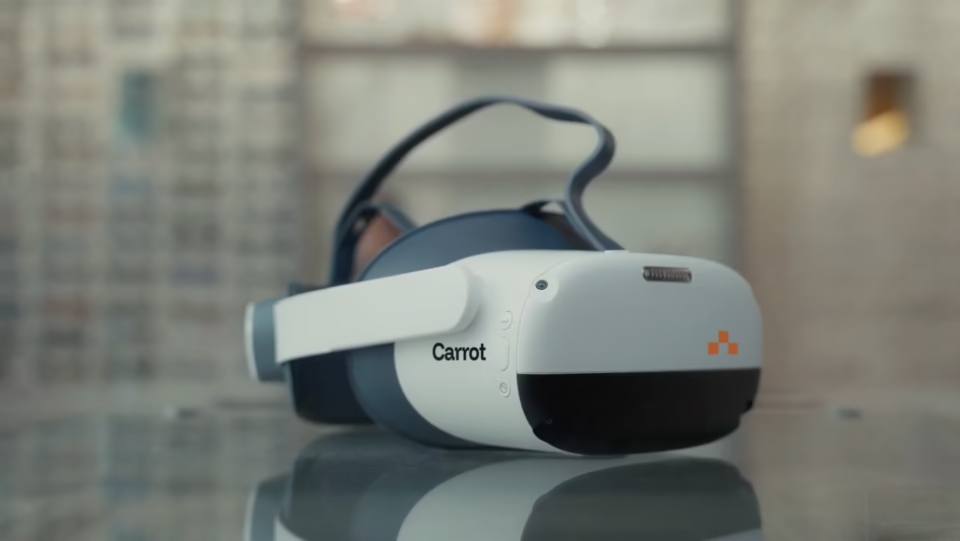
Yes. Color vision testing runs on the same wireless Carrot headset as visual field testing, contrast sensitivity, pupillometry, and ocular motility. Technicians can queue multiple exams in a single patient session through the Carrot portal—one device, one setup, one consolidated report set—without moving the patient between rooms or relaunching the headset between tests. This is particularly useful for neuro-ophthalmic workups where color vision pairs naturally with visual field and pupillometry testing.
Is color vision testing included in all Carrot subscriptions?
Yes, it is included in all subscription tiers.